
Building a user-driven design process is one of the main targets of the UX design team, which aims to create a product or service design driven by deep understanding for the end user. In their book, Design Experience: The Role of Design and Designers in the Twenty-First Century, Mike Press and Rachel Cooper highlighted how user-driven design contributes to developing a consumer culture. However, it is much easier to see the situation from an outsider perspective, rather than involving details and requirements into its complicated process. Previously, we highlighted the reasons why UX design process fails, here we explore a different type of mistakes committed by the UX design team during the product development stages.
Involving complications, documentations, and frequent meetings into the development process puts the main UX design team target at risk, as the team direction may be shifted from user-centered design with a holistic approach to focusing on minimal tasks. This can lead to losing control over the whole design process. Although this is the existing method used by the UX design team, the user-centric approach may be lost due to common mistakes during the development stages. These mistakes relate to the communication between team members, how the project is documented, UX research related issues, and neglecting empathic factors in the design process.
Taking the below factors into consideration contributes to decreasing the possibilities of failure and improves the project’s overall focus to build a successful empathic user experience.
1. Many or Few Documentations
The communication between the team should be supported with documents that draw guidelines for the team to follow, such as creative briefs, marketing mix, and other documents that answer questions such as, how is the task going to be handled? Who is going to handle it? What are the requirements? What is the deadline? However, the amount of documents and their contents should be considered, as many documents may have a negative impact on projects. One of the common bad experiences with documents is that too many documents distract team members, as they are required to read, understand, and fill all the required process documents. On the other hand, a lack of necessary documents, or the documents’ content, fails to achieve the aim of these documents, as not enough information is provided.
As UX designers tend to understand users and reflect this on the design layout and functions used in the project, this understanding should be clearly transmitted to the team in the form of an official document where all the recommendations related to the user experience should be indicated.
2. Unevaluated Team Communication
Another common problem is the level of communication between team members. Looking back on previous projects, how many meetings do you think were useless? This does not necessary mean that meetings are a waste of time. It just reflects on the fact that the amount of communication between the team should be measured in order to avoid wasting time and to increase the project exposure. A lack of communication can also have a catastrophic impact on the project due to the lack of understanding and integration between team members. In many situations, documents are not enough to understand the user experience, which should be supported with a meeting or a number of meetings between the UX design team and other departments in order to highlight the UX research recommendations that should be carried on in further stages.
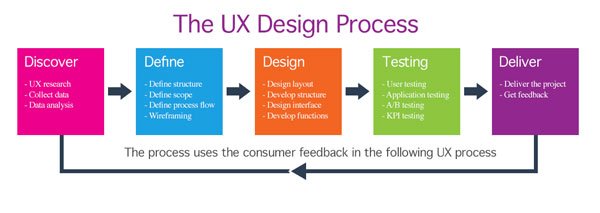
3. Lack of Empathic Design
Most of the tools deployed by UX designers depend on either primary or secondary research methods that collect data about user behavior, such as surveys, interviews, focus groups, and others. Commonly, collected data and interviewing users are conducted by data collectors rather than the UX researchers themselves. Hence, user impressions about the product and their emotional experience may be lost, as it is transformed into either qualitative or quantitative data delivered to the UX team. This results in an incomplete understanding to user experience.
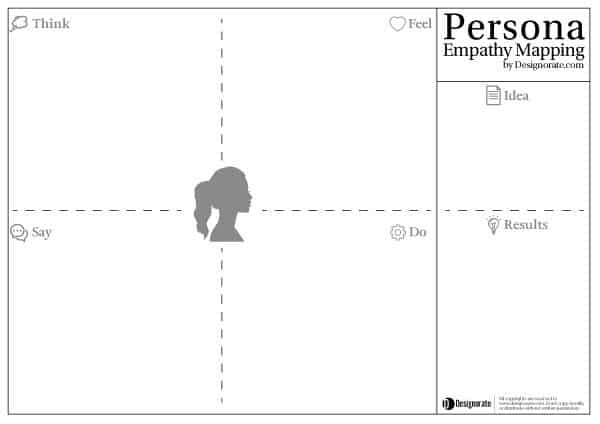
In order to achieve an empathic design, UX designers should put themselves in the shoes of their users. They should have some sort of direct communication between them and use the product or service in the same circumstances as their users do. One of the tools that helps in acquiring an empathic user experience is the persona empathy map, which aims to understand the users’ emotional behavior through what is thought, felt, said, and done while using the product. Other tools include mind maps to track user experience and value stream maps.
4. Neglecting Legacy Data
Building on the shoulders of giants is one of the clever methods to achieve tasks quickly and professionally by simply considering previous experiences done in similar projects. While legacy data is one of the research methods, many UX designers may neglect it and instead focus on newly collected data to achieve a unified user experience. The legacy data can help build a generic understanding about the user behavior, and subsequently, designers implement this data in the new product or service development process. However, the legacy data should not be taken as the only research methods. Further research should be conducted to build understanding about the new project’s users if they have different demographic characteristics.
5. Clichés: Repeated UX Designs
In contrast with the previous mistake, UX designers tend to use the same data collected form previous projects as a cliché in new products in order to save time and cost required for the UX research. While the previously collected data should be handled as legacy source of information, a new project’s consumer characteristics should be considered. The old data could help reduce cost and time, but it can be merged with new research based on the project requirements.
UX design teams’ main target is to understand consumers and reflect this on the final project, yet this target fails to be achieved due to common issues that prevent maintaining this understanding during the different development stages from one side and the team members from the other. The UX team must pay attention to the above issues and try to avoid them through the development different stages in order to deliver a successful user experience to product users or service consumers.





Leave a Reply