

Designorate

  • About Me
  • Design Thinking
  • Design Management
  • Design Research
  • Behavioural Design
  • Healthcare Design
menu icon
go to homepage
  • About Me
  • Design Thinking
  • Design Management
  • Design Research
  • Behavioural Design
  • Healthcare Design
search icon
Homepage link
  • About Me
  • Design Thinking
  • Design Management
  • Design Research
  • Behavioural Design
  • Healthcare Design
×
Home » Behavioural Design

UX Dark Patterns and Social Media Addiction

05/11/2026 by Dr Rafiq Elmansy

UX dark patterns in social media

SummaryUX Dark patterns (also known as deceptive patterns) in the digital world are design strategies that manipulate user behaviour and desires to encourage users to interact with the system in ways that prioritise business interests over the user's best interests. Deceptive patterns lead to digital excess usage and addiction (e.g. in online shopping, games and […]

Build Behavioural Design Strategy Using Journey Mapping

01/26/2025 by Dr Rafiq Elmansy

Behavioural design strategy

Consumer journey mapping is a practical tool to use in behavioural design to understand user behaviour and develop effective strategies to change behaviour for habit formation. During the design thinking process, many factors interact together, and at the core of these factors is the user's behaviour as they interact with the design artefact. Eventually, to […]

Four Must-Know Behavioural Design Strategies 
01/08/2024 by Dr Rafiq Elmansy

Behavioural design strategies

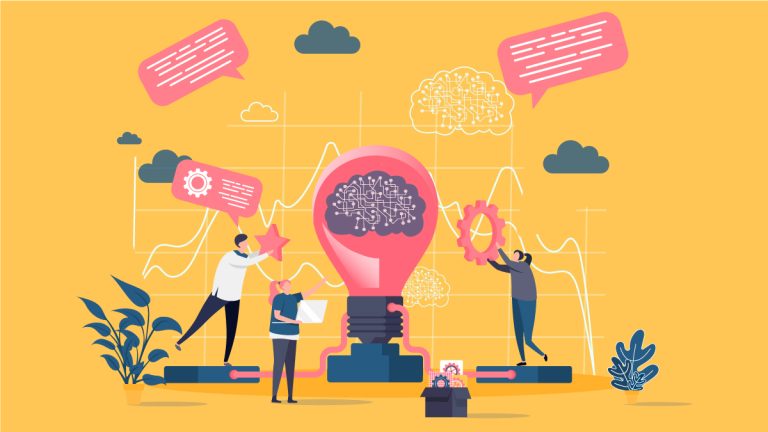
In user experience design, we use HCI theories to study and improve the usability of design solutions. Yet, the context of use extends to the user environment and behaviour that changes over time. Therefore, behavioural design merges design expertise and psychology theories to improve users' experience by studying and changing their behaviour to improve their […]

Behavioural Design: Using Habit Loop in mHealth
01/02/2024 by Dr Rafiq Elmansy

Behaviour Change mHealth

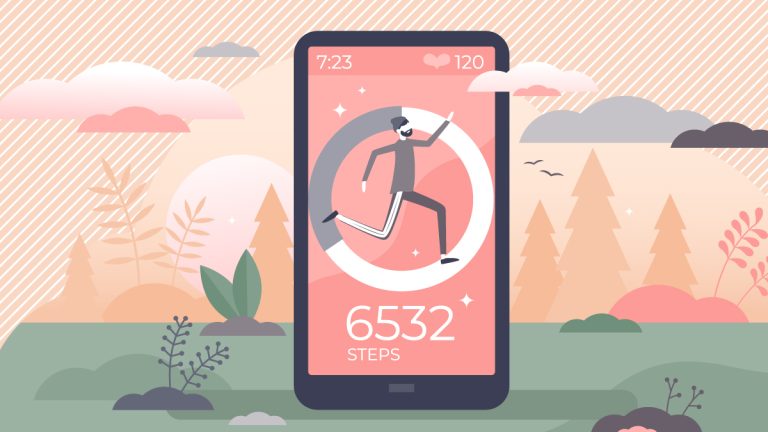
Behavioural design is not only about designing the mobile health solution but also extending its role to understand how users behave and drive users to change their habits toward healthier ones, such as adhering to their medications or better managing their health. Think of how different social media platforms use behavioural science to alter user […]

What is Behavioural Design? And How to Apply it

09/25/2023 by Designorate

Behavioural design

In simple words, behaviour design is a method to understand behaviour sciences and apply this knowledge in designing products, services, and apps. The use of behavioural sciences in design is to create solutions, achieve innovation, and empower people. Behavioural design can influence the human mind and aid our choices. Whenever you want to change a habit, […]

Substack

Welcome!

Join Designorate newsletters on Substack

Join Now

Popular

  • SCAMPER Technique
    SCAMPER Technique Examples and Applications
  • De Bono six thinking hats
    Six Thinking Hats Technique: A Complete Practical Guide
  • The Double Diamond Design Thinking Process and How to Use it
  • Design Thinking Books You Must Read (updated)
  • thematic analysis
    What is Thematic Analysis? And How to Apply in Design Thinking
  • 8D problem solving
    What is the 8D Problem Solving? And How to use the 8D Report?

Footer

↑ back to top
  • Design ThinkingTools and tips about design thinking for education and organizations such as mind maps, brainstorming, six thinking hats, TRIZ, SCAMPER, starbursting, and more.
  • Design ManagementDesign management and strategic design related articles that cover the holistic approach of design as an innovation and business tool.
  • Design ResearchUser experience tips that cover UX design, UX research, and how to achieve human-centered design.
  • Behavioural Design
  • Healthcare DesignThe design for healthcare section includes articles and resources related to the role of design and design thinking in healthcare as a product or a service.
  • Contact us
  • Privacy Policy

Copyright © 2026 Designorate.com.

No part of this content may be used, reproduced, or scraped in any manner for the purpose of training artificial intelligence (AI) technologies, machine learning models, or text and data mining systems without express written permission.