
The use of repeated design elements is a controversial topic in the creative industry. The distinction between, on the one hand, mundane repetition at the expense of creativity and, on the other hand, a belief in the importance of maintaining good practice to deliver effective visual results for the end user has the design industry in the debate. While acknowledging the importance of creativity in the design layout, we also recognise the centrality of user experience to ensure effective design and meeting the usability through building coherent yet creative design layout.
This article focuses on best practice in design principles, how to apply these best practices into the design, and a focus on improving the user experience. To do this, we will discuss three of the main approaches when using repeated design elements: repetition; pattern and rhythm.
Related articles:
Repetition
Repetition in design can work in a number of different ways. Having repeating design elements within work is not inherently a flawed approach. Rather, repetition allows for a single point to be repeated numerous times throughout. One of the examples that can clarify the principle of repetition is the set of stairs: each step is individual, but is repeated with similar size/shape in a sequence to form the stairway itself.
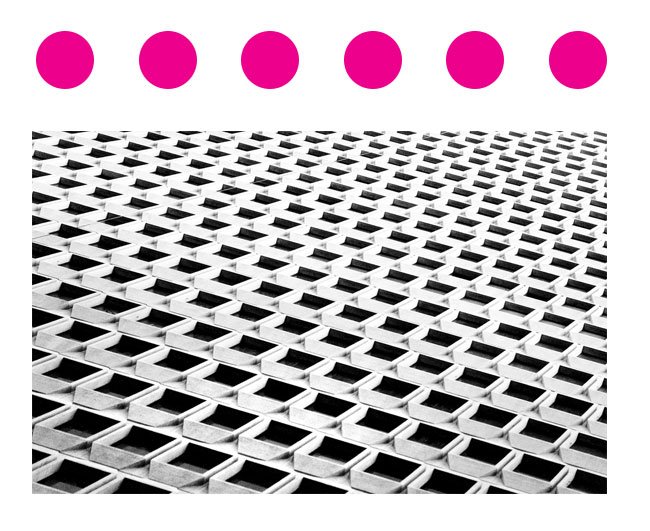
When thinking of design, we can consider issues including a core, central message or element in the design layout. Web design, for example, has a similar concept, where repetition allows for standardisation and consistency in approach. Where menu options and design elements, including logos, are repeated allows users a comfortable, known experience in page navigation – and can provide necessary breadcrumbs for users. This can be done by using imagery or icons, or colors or text style, to provide the user with a simplified, consistent message across the platform.
Pattern
Patterns can have multiple meanings and elements in design. Repetition focuses on the same object being repeated; patterns are made up from different components which are then repeated in the same way throughout the design. A seamless pattern is one that flows throughout without flaw in the beginning or end: the entire pattern is a single, coherent unit. This approach to design becomes especially important when thinking about designs which incorporate significant amounts of color, texture or depth.
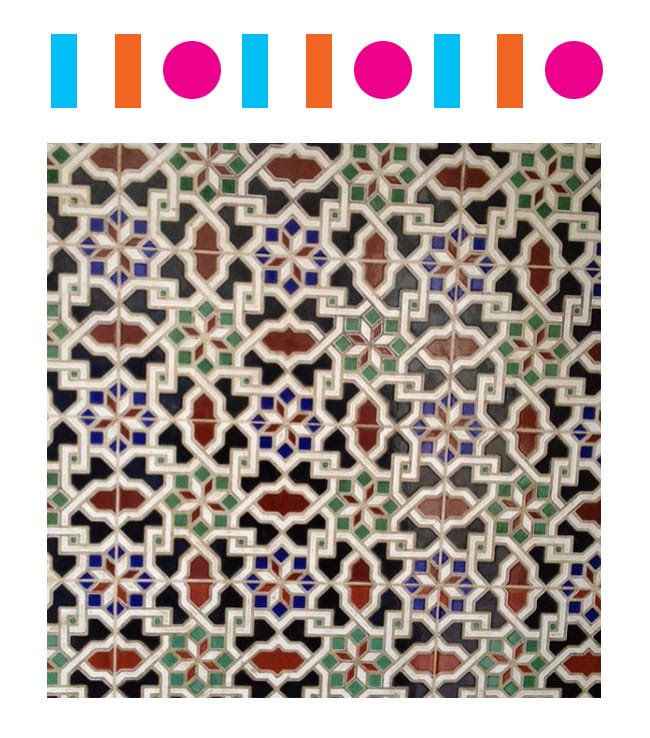
Using a pattern can be complex. As with the photography example above, however, patterns can be used to put the user at ease and to allow them navigation tools throughout the design. In architecture, patterns in the forms of motifs have been used to improve the aesthetic quality of the structure, to stamp design authority, and to provide necessary user guidance. The use of such patterns can enhance the user experience, as well as the design and look of the final product, but must be used wisely so as to avoid a complicated layout or unattractive design.
Rhythm
Unlike repetition and pattern above, rhythm has slightly more complexity to it. Where repetition and pattern require the same design element to be repeated throughout the design in the same way, rhythm requires the repetition of a variety of design elements in a specific order. As a result, individual design elements may not repeat or be the same at all points; rather, their repetition is adaptive and changes throughout the design.
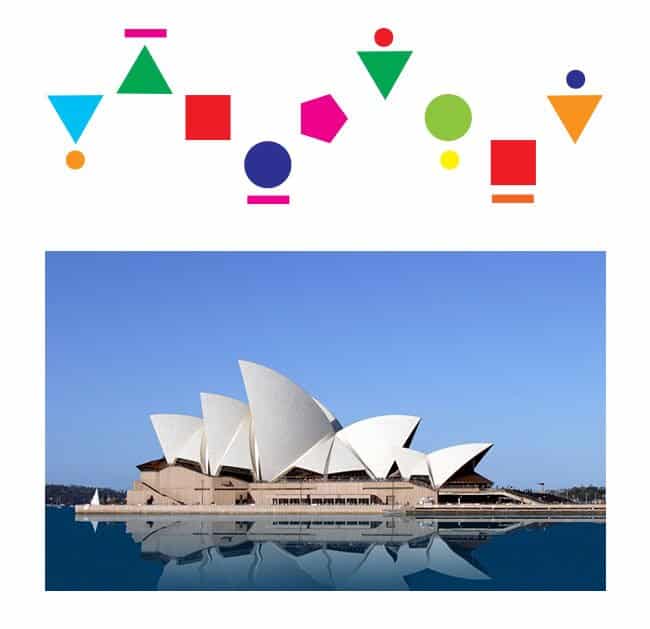
This approach to design can be viewed as the musical approach to design: individual notes are arranged in different orders at different points, but the overall finished piece retains design coherence. Alternatively, a set of waves crashing against the shore might be said to follow a design rhythm. While each, individual wave is unique, the overall process has a design rhythm.
Owing to its complexity, rhythm has a number of sub-divisions in how it can be conceived or implemented. Regular rhythm is similar to the idea of a pattern: the design elements are repeated in the same manner throughout the design. Flowing rhythm allows for a greater diversity of design elements, but with great diversity in the elements’ size, sequence, nature, and so on. Lastly, progressive rhythm allows for the greatest amount of diversity. Elements are repeated, but there is variation in any of the elements throughout.
Repetition and The User Experience
As noted above, the use of repetition, pattern and rhythm are one of the key elements in enhancing and improving the experience for users. Whether it be in architecture or web design, the use of recognisable, repeating imagery or patterns allows users to identify their place within a wider structure.
As such, adopting design elements including the repetition of visual elements, arranging important icons in similar places across websites, or repeating content across the design can allow for a more streamlined user experience. This approach allows for a clarity of information and structure, and can allow the web designer a scaffold around which to build a clarity of information. When designing websites, designers, who offer services like professional custom website design, should think of the repetition of visual elements, the patterns they create throughout, and the use of rhythm to put users at ease.
In utilizing these approaches to design, the user experience is put at the forefront of the design ideology. Designers should develop a keen awareness and understanding of the important principals behind design repetition, design, pattern and design rhythm.





Thank you ! It helps me a lot in my class discussion.