
Design strategy examples from the industry can provide a real-world demonstration of how design can add significant value to the business when viewed as a strategic asset and influencer of the business vision at both production and internal culture levels.
In 1964, during the first assembly of Icograda, British Prince Philip provided a thorough description of design: “Every day, designers of all kinds are becoming responsible for a greater proportion of man’s environment. Almost everything that we see and use that was not made by The Almighty has come from some designer’s drawing board.”
These words not only indicate a broader definition of design but also offer companies a clue on how to integrate design into their organisational structure. Until today, most companies have kept design within their creative teams, underestimating the benefits it can deliver across other sectors. And to identify where design exists in the creative process within the organisation, there should be a clear understanding of design and the differences between design, innovation, and creativity.
What is Design Strategy?
Design strategy is the top level of the design management ladder, where design is seen as a shaper of the business strategy and vision, in relation to building a consumer-centric approach, brand value, and the business's overall goals. Design strategy can drive innovation and deepen understanding of consumers’ needs to improve their experience.
In his book, Managing Innovation, Design, and Creativity, Von Stamm describes design strategy as the decision-making process that transforms ideas into innovative outcomes. Meanwhile, creativity provides the building blocks for the innovation process. Design links both to reach a final product or service that meets the company's business and innovative aims.
Generic process development models, such as the stage-gate process, do not provide much focus on innovation and creativity. New models, such as the Double Diamond design thinking process, can provide a framework for integrating design as a strategy within the business.
Design strategy examples from leading enterprises such as Microsoft, Starbucks, Xerox, and Yahoo provide proof that implementing innovative design processes can give them a competitive edge in the market. Although there is no explicit declaration of a design strategy, examples show that adopting a design mindset can lead to innovative outcomes.
Companies such as IKEA, Lego, Starbucks, Apple, and Mercedes-Benz provide practical examples of success achieved by involving Design as a strategy across the organisation's various sectors. In this design strategy example, we are going to explore how these companies adopted a design mindset, leading to innovative solutions or, maybe, a distinctive value in the market.
IKEA: Reduce Cost, Improve Sustainability and Consumer Experience
As a leading manufacturer and seller of furniture and home-related accessories, IKEA allocates all its resources to delivering its customers innovative products at the lowest possible prices. While creativity at a low price requires more challenging design thinking, achieving this formula positions IKEA as one of the furniture industry's leading companies and a reflective design strategy example. Currently, the company has 300 stores in 35 countries and reported EUR 44.6 billion in retail sales in FY25.
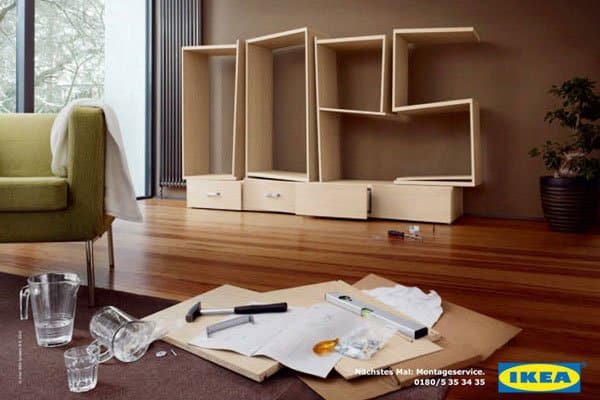
One of the most important functions of design strategy is to solve the company's problems, and for IKEA, cost was considered a barrier to selling its creative products to such a large number of consumers around its supply chain. Applying self-assembly and flat packaging solutions was among the elements of IKEA's Democratic Design strategy. The story behind the self-assembly and flat packaging harkens back to 1956, when one of IKEA’s employees removed the legs of a LÖVET table to fit it into a car without damaging it. Most of IKEA’s products are designed to align with this self-assembly strategy, and flat packs are designed to take up as small a volume as possible during storage and transportation, thereby reducing the final product price. The flat packs are also designed for easy use by the end customer, who needs only a visual guide to assemble the product. If any further help is needed, the consumer can call IKEA support.
Self-assembly and flat packaging not only help IKEA reduce the final price of its products but also contribute to achieving its sustainability goals. The small storage area helps reduce transport and fuel use, aligning with its Design for Sustainability (D4S) model.
LEGO: Design Can Make Sustainability Tangible
Starting from a small carpenter’s workshop more than 80 years ago, LEGO has become the world’s sixth-largest toy maker with revenues of £717 million and 5,000 employees around the world. As mentioned on the company's website, LEGO accepts responsibility to apply sustainability principles through the LEGO Promises. These promises aim to inspire and develop the builders of tomorrow through the Play Promise, Partner Promise, Planet Promise, and People Promise. The Planet Promise includes keeping children safe, supporting their right to grow, and caring for nature (How To Use Lego Serious Play In The Design Thinking Process?).
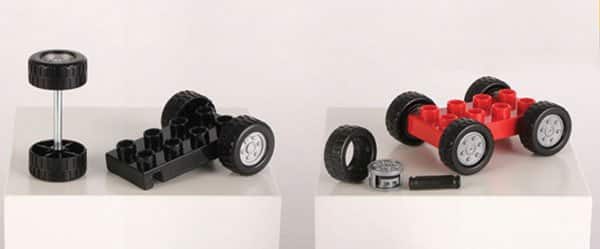
The design for LEGO car wheels once incorporated metal parts. Based on a LEGO Progress report in 2012, they redesigned the car wheels to be made of a single plastic material, attached directly to the car. The impact of this change was to increase sustainability by 10 to 20 per cent and to reduce product prices.
Starbucks: Use Design to Build a Brand Experience
Established 35 years ago and now a leading coffee shop brand worldwide, Starbucks uses design to build its brand through a unique form of emotional marketing. The company's strategy uses design as a tool to provide remarkable service to its consumers around the world. Starbucks designers are responsible for branding and marketing materials for all stores. The target is to maximise creativity in order to maintain the emotional value of the Starbucks brand. Designers at Starbucks are encouraged to think like business wonders and strategists. The creative team is responsible for developing a consistent brand strategy for all Starbucks stores worldwide. Each year, the stores use seasonal themes developed by the company's global creative team.

The design strategy at Starbucks starts with a meeting – called the creative scrum – at which members of the global creative department brainstorm ideas and concepts. Then the design is assigned to a single designer and their team. There are four stages of the design process:
- Concept development, which includes developing the design concept to the point of a draft to submit for approval.
- Approval, for which a design presentation is made at the Starbucks Support Centre. At this stage, the concept is previewed, and feedback is provided before reaching final approval.
- Delivery, where the production phase begins to create the final product.
- Evaluation, for which Starbucks uses its front-line staff and customer feedback. The feedback is very important in determining the success of the product.
Apple: Design Creates Opportunities
Since the early days of the computer industry, Apple was a pioneer with its unique design and value for its Macintosh computers. And it has been engaged in what seems like an eternal competition between software giants Apple and Microsoft. But allocating company resources and assets to just one product and segment in the market increases the risk of losses.
Apple is one of the companies with a long-term design strategy that focuses on consumer satisfaction and on building a strong emotional bond between it and its users. Before the end of 2001, this emotional relationship between the company and its consumers was limited to desktop applications. At that time, however, it recognised that creative products such as iPhones and iPads open a new market segment for the company and new opportunities to compete in the mobile and handheld devices market (Design Thinking Case Study: Innovation At Apple).
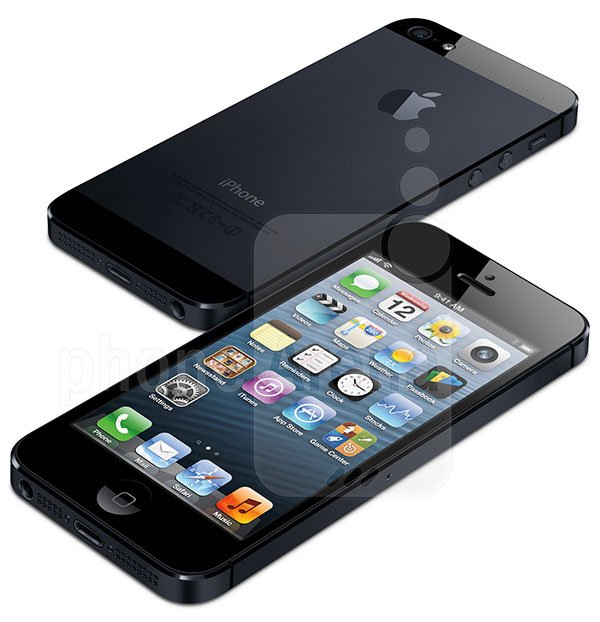
At the end of 2001, Apple began expanding its marketing segment (multi-segmentation) by designing and developing handheld products such as the iPod (2001), iPhone (2007), and iPad (2010). The value of design in Apple products inspired the new designs to follow the same rules of simplicity and focus on user experience. This design value helped the company compete with other mobile device manufacturers that had entered the field earlier.
Mercedes-Benz: Use Design to Communicate Values
Mercedes-Benz is one of the oldest brands in the automotive industry and has been manufacturing luxury cars since 1886 as part of the German manufacturer Daimler AG. Its design strategy reflects an old and consistent design and brand strategy, as described by Gorden Wagener, design chief in the automotive industry: “A Mercedes has to have a certain presence,” he says. “It should look like a luxury car. We have a long history of the brand, and we have to respect that history.”

Design plays an essential role in promoting the company's values and providing consumers with a clear vision of the company. This vision not only appears in car designs but also in marketing campaigns and advertising materials. At Mercedes-Benz, there is a deep understanding of the values of the oldest automotive manufacturer. Mercedes-Benz values are clearly apparent in its designs and business strategy. According to Mercedes-Benz Australia, these values are pride, passion, respect, integrity, discipline, and excellence.
Design's role within any organisation can extend beyond the above examples. It can expand to help create a better working environment for employees or improve the relationship between employees and the company. For example, choosing open office workspaces provides employees with opportunities to work in less formal, less-stressful environments, which subsequently enhances their creativity and the initiation of innovation. This role is viable through an open-minded and creative design management.





Leave a Reply