
In simple words, system thinking means understanding the big picture of the current situation through recognizing its different elements, how they interact with each other from one side and external systems from another. For example, the car is considered a system which consists of many elements that interact with each other to achieve its main purpose; moving from point A to point B. The car, as a system, interacts with other external systems such as other cars around and the transportation system that controls how the cars move and interact with each other in the road.
In previous articles, we covered the system thinking and how it can be used to solve problems. The system thinking ignites a holistic approach to understand situations. This approach is based on the reality that problems are complex. They can’t be solved without understanding the ecosystem around it. What if this approach was taught in design schools? What different can it make in the students' mindsets in terms of observing problems around them?
Related articles:
- What Does the Systems Thinking Teach us About the Problems of Problem-Solving Practice
- The Six Systems Thinking Steps to Solve Complex Problems
- Problem-Solving Using Cause and Effect Diagram
In many situations, designers look at problems from a door keyhole, they see it from a narrow perspective without considering the how the nature of the system that contains the problem. In a result of this, the proposed solutions may not fit with the other system parts or even cause more problems. Accordingly, We can highlight five main advantages that can drive design schools to teach systems thinking principles to their students:
Understanding the Big Picture of the Problems
Encouraging the students to use the systems thinking can help them to develop their skills in examining complex problems and build creative solutions. Unlike the current education methods that focus on the project or system details, the systems thinking aims to look at the system as a whole and identify the elements of the system and how they interact with each other.
In order to teach students this approach, they move between a number of steps that can help them to solve the system problems; Observe, Define Problem, Identify the Parts, Identify the Relations, and Break the System. Details about how this process works can be found in my previous article; The Six Systems Thinking Steps to Solve Complex Problems. At the beginning of this process, the students tend to learn how the system works, observe how elements interact with each other in order to define the main problem that needs to be addressed in the solution.
Acknowledging the Critical Thinking process
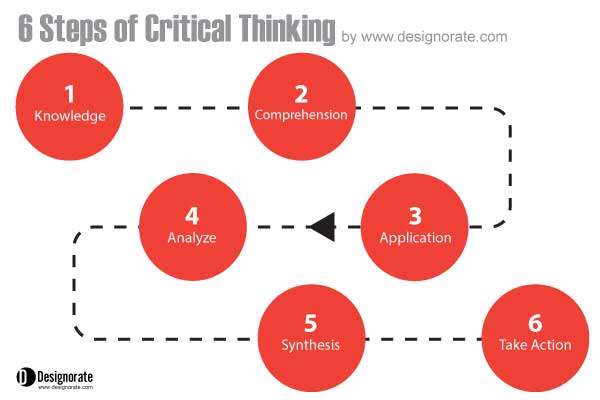
The critical thinking is a method that can be used to build an objective evaluation and analysis of situations, problems, and ideas in order to eliminate biased thoughts and perceptions. The critical thinking consists of three main parts; observe the problem, ask questions about it, and finally brainstorm solutions. While the design student uses the system thinking theory, they begin to implement the critical thinking methodology to build objective definition about complex problems. They start to observe the whole picture of the situation and how different elements work as highlighted int he above point. Then, they start to ask questions in order to define the problem and understand it. After understanding the problem, they tend to answer the questions which will contribute to building an effective solution for the problem.
Identifying the Parts and Patterns
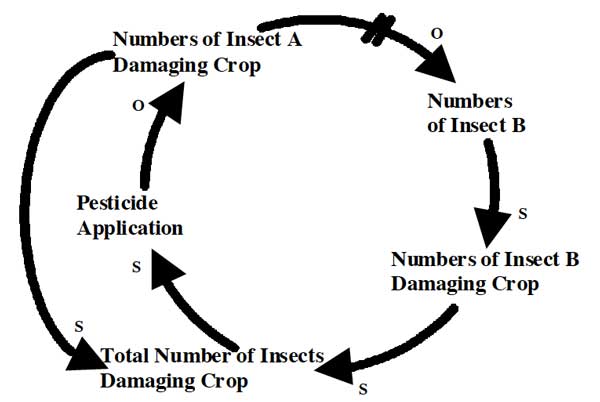
In the systems thinking theory, any system consists of interconnected parts. Changing one part affects the others. The structure of the system determines its behavior, which means that the system depends on the connection between the elements rather than the elements themselves. For instance, in the traditional thinking to solve crop damage due to insects, people then to think about applying more pesticides to reduce the number of insects and subsequently reduce the crop damage. However, this solution solves the problem for a short term. In the long run, the problem isn’t truly solved, as the original insect eating the crops are controlling the population of another species of insect in the environment either by preying on it or competing with it. Subsequently, another problem occurs due to this action or the crop damage increases again due to the increasing numbers of other insect species that may prey on it.
In the design domain, students need to understand the impact of how each element interact with other elements in the system. For example, designing how a new feature works in the application UI need to consider how all the elements work in order to avoid any user confusion or errors that may occur when all the elements are displayed together on the computer or mobile screen.
Building a Cause and Effect Relationships
In many cases, the problem we see is just an effect of a bigger one, which misleads us over the course of finding the proper solution ending up with more problems. The cause and effect diagram relationship is one of the efficient methods that can help us to identify the causes of the current problems in order to find a problem solution for it.
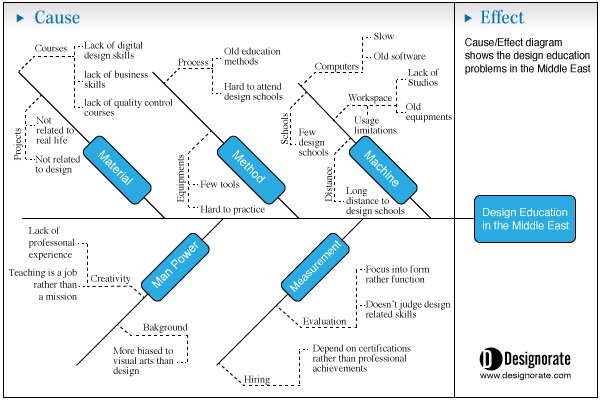
During the observation and definition phases in the system thinking, students tend to understand the different main causes that stand behind the problem. They focus on all causes of the problem rather than only visible one, which contributes to building more efficient solutions
Building Effective Solutions
Finally, as a result of the above process, students learn how to build effective solutions for complex problems through a coherent problem-solving process. They observe, define, and build their solutions with all the system elements in mind.
In sum, the application of system thinking in design schools can help altering the mindset for designers to analyze problems while the big picture in mind. It can help them to focus on the impact of the elements rather the elements themselves. In a result to this, they understand how to build a viable solution for problems by investigating the ecosystem that includes the problem. This new mindset may reflect on the students’ different future designs and help them to build projects that can efficiently solve out daily problems.





Leave a Reply