
Managing the design process is always a challenging task. Have you ever wondered the reason behind the lack of designers' ability to understand how to manage the creative process and the similar lack of managers' knowledge of the creative process presents one of the significant barriers that stand against driving innovation and building design culture as an integrated part of the strategic thinking inside the organisation as I highlighted in my paper for the Design Management Review, Barriers Facing Design and Creativity in Middle East SMEs. However, the study findings were applied to other countries, especially Europe.
What is Design Management?
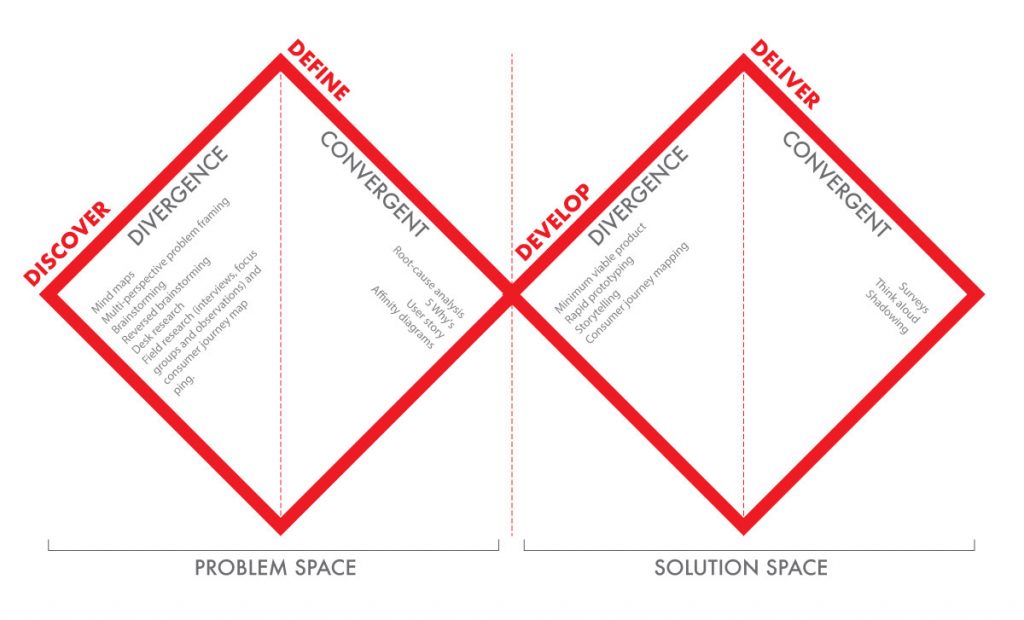
Design management aims to manage the design process, planning and making strategic decisions (check How to Use the Decision Matrix to Make Decisions?) based on appreciating the design thinking's creative, iterative, and problem-solving nature and utilising this nature to achieve innovation in products and services. Design management looks at the design practice from business, consumer, and technological perspectives and how the design strategy applies across all the organisation's departments, stakeholders, and activities (check The Double Diamond Design Thinking Process and How to Use it).
It adopts business tools creatively to manage the design process and build creative strategy across the different departments in the organisation. Think of Lego, as we previously explored how Lego adopted the strategy of Design for Business to align their business strategy with the different departments and deliver Lego sets that meet consumer needs and maintain the market segment through the different competitions from other players in the market.
It is essential to appreciate the values of design and use these values in business. In my article, Why Design Thinking Doesn’t Work, I highlighted the different aspects of design and how it is unique compared with different disciplines such as marketing or business.
Design management is utilised in some companies and industries, but the important fact is that many titles, such as brand managers, innovation managers, and creative leads, adopt design to achieve their goals due to the nature of the creative outcome required from their teams.
Design management is a broad term used differently in various disciplines, leading to many misconceptions. Some views take it away from design and lean to business. Therefore, it is crucial to look at design from the perspective of driving innovation and building a design-driven culture inside the organisation. Later in this article, I will share core design management books that can help you develop strategic design thinking and explore how to create this balance between design and management.
The Design Management Ladder
We can only fully understand design by mapping its activities and application levels across the business. Therefore, the first step is to identify the involvement of design inside the organisation. Many of the scholars mapped the practice through different companies and defined three primary levels of design management inside the organisation:
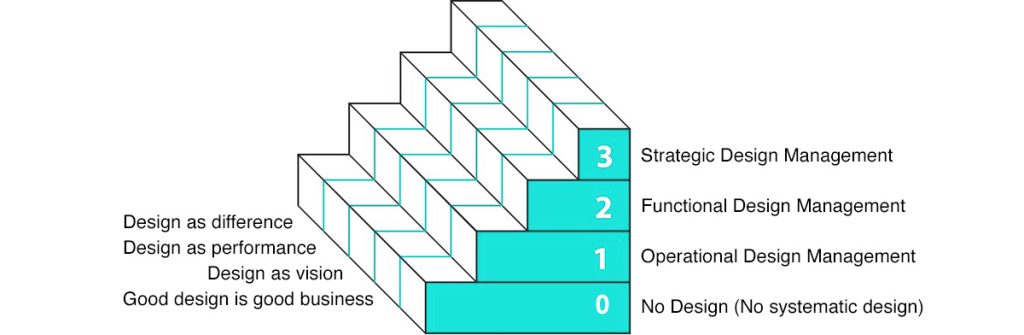
Operational Design
This is the lowest design application level, and at this level, design management is very limited to the design task activities or less. For example, it just focuses on how to design a logo or a digital solution. It doesn't extend the designer task activities and doesn't link between departments. This level is minimal and has no impact on the strategic decisions inside the organisation.
Functional Design
On the functional level, design management is concerned with the process and how to integrate the design tasks between departments and stakeholders. It doesn't involve building the organisational strategy but using the existing strategy instead. In my previous article, The Double Diamond Design Thinking Process and How to Use it, I explored how these processes can be used to manage the design, including teamwork and managing the different design tasks. However, it still applies the strategy and doesn't contribute to forming it.
When we explore the Microsoft case study, we see how Microsoft used design thinking to improve its products, such as Microsoft Office, Windows, and Microsoft Surface. While the process shows a shift from an engineering-driven to a design-driven culture, there is no evidence that the company's strategy shifted toward a design-driven culture.

Strategic Design
This is the highest level of design management application inside the organisation. At this level, design takes a strategic role and contributes to forming the whole company strategy regarding the product, consumers, brand, stakeholders and, of course, the employees inside the company. Most innovative companies, such as Apple, adopt the strategic level . In our previous case study, we explored how Apple has a design-driven strategy that has remarked on its practice and success over the years (Design Thinking Case Study: Innovation at Apple).
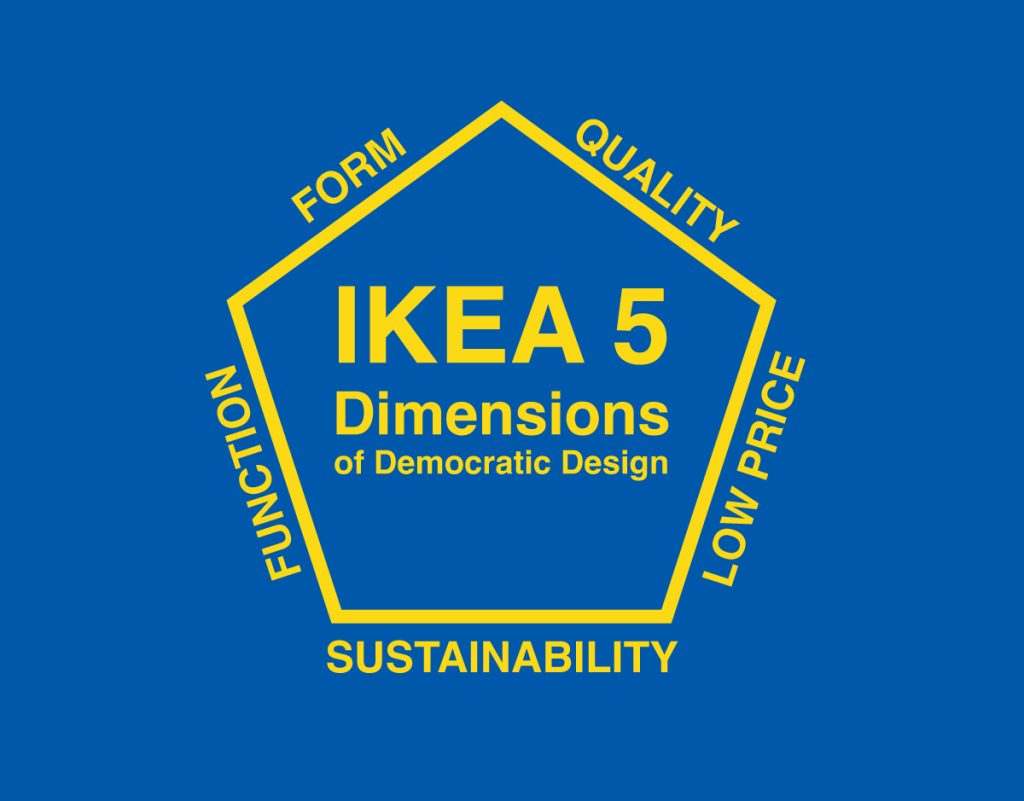
Another example is IKEA; in their IKEA Democratic Design strategy, they adopted five design principles (form, function, quality, low price, and sustainability). However, this strategy continued beyond the production level; it extended to the whole chain supply, partners, and consumer experience. You can find an extended discuss IKEA's sustainable design strategy in my 2-parts article: Exploring IKEA’s Sustainable Design Strategy: Part One and Part Two.
The Four Powers of Design
In her paper, The Four Powers of Design, Brigitte Borja de Mozota explored design from the perspective of business and innovation in the organisational structure.
And introduced an exciting framework that manifests the value of design in business based on the following four pillars:
- Design as difference: design as perception & brand (e.g. market value, customer value, brand, and consumer research).
A good example is Chanel. Coco Chanel built her brand value around the value of design, building a brand value over time and becoming one of the top luxury brands. Think of the black dress, women's trousers, and the usage of jersey fabric. - Design as performance: Design as an innovation process (e.g. innovation, modular architecture, time to market, R&D, and technology).
You can think of Uber as it used good design at the operational, functional, and strategic levels to drive innovation in the market through technology and the implementation of a creative business model (Types of Innovation: The Complete Guide with Examples). - Design as vision: This goes beyond "advanced design" management (e.g., strategic value, vision, perspective, change, and empowerment).
Previously, we explored Apple's case study, but as an extension to the story, Apple had a vision built around its unique OS, which Steve Jobs used in the iPhone to successfully compete with other companies like Nokia in the early 2000s. Then, Applie repeated their vision by using the OS in Apple Vision Pro, which provides a unique experience to use the OS in VR. - Good design is good business: The historic design management economic model (e.g. financial and accounting value and ROI).
A good example is Nike, which is a design-driven company. The company uses design to position itself in the market and offer innovative products for its consumers.
Design Management Books You Must Read
We can see design management from a different perspective and the best way to understand how it has practical applications. But first, while design thinking books focus on the operational and tactical parts of design management (design thinking), design management books take a broader approach to focus on the business and strategic parts of the design. To manifest these perspectives, I'm sharing essential books to learn more about design management from different scholars in design management.
Before jumping to the book list, one of the essential resources to learn about design management is The Design Management Institute, which is the first stop point for finding resources, publications, and events that can help you explore more about this field. Scholars and design leaders with expertise in various fields share several conferences and publications every year.
This list is updated, so make sure to subscribe to my newsletters to receive updates once more books are added to the list. Also, feel free to add any other books you found helpful in exploring design management to your social media comments.
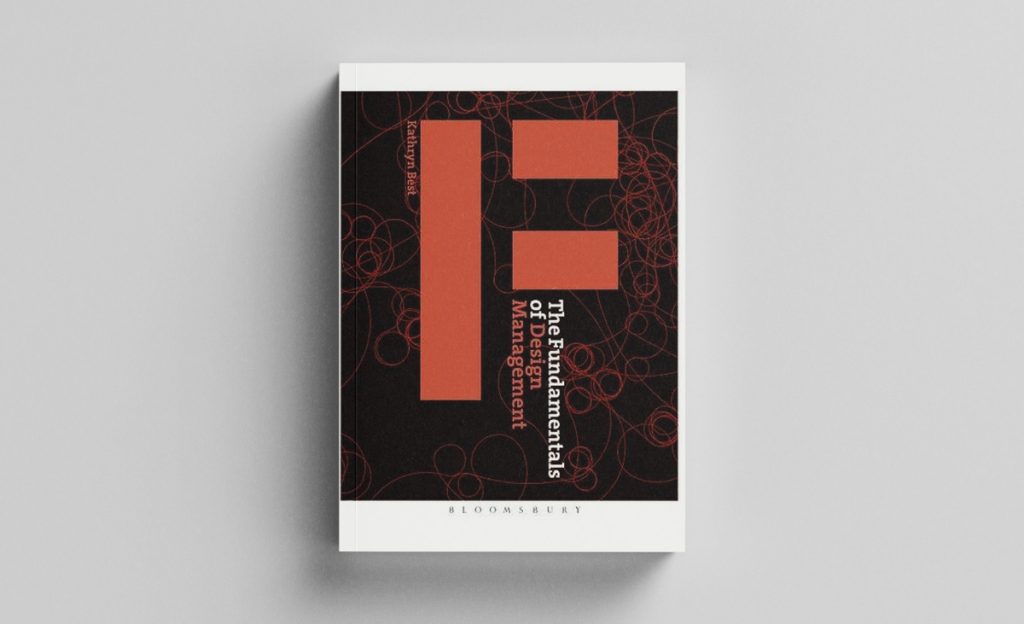
The Fundamentals of Design Management by Kathryn best
Best's book, The Fundamentals of Design Management, is one of my favourites for the reading list I share with my students because it is structured. The book explores how to manage design in different business activities. For example, it explores design management from marketing and branding to finance and innovation. The book presents case studies with each of these sections to illustrate how design becomes an integrated part of the business practice to turn ideas into innovation.
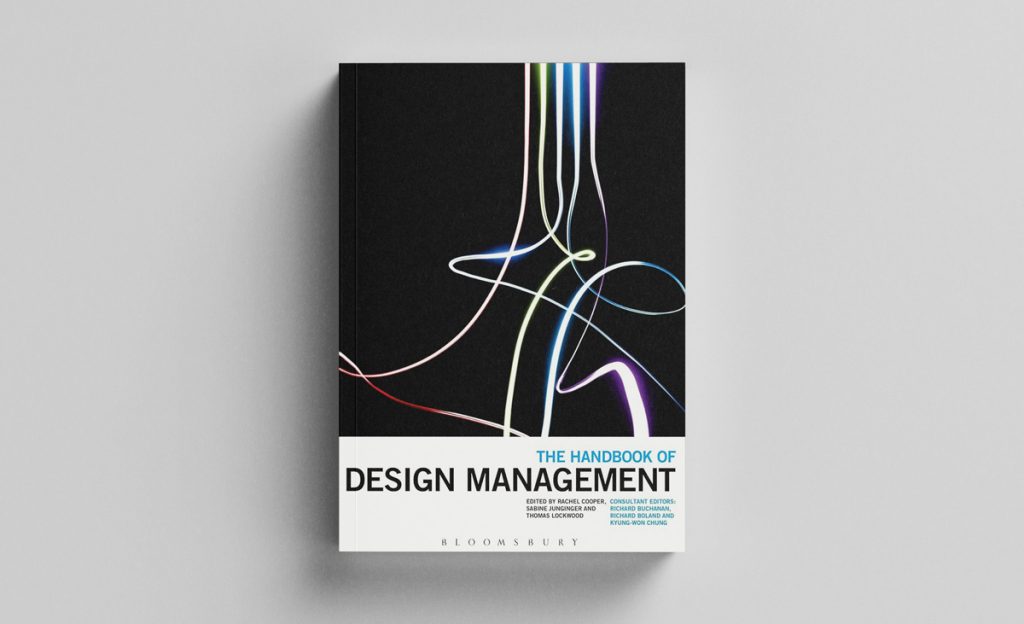
The Handbook of Design Management by Rachel Cooper et al.
The Handbook of Design Management is one of the holistic books if you want to learn the different design management methods and theories from several critical thinkers. The book is organised in a seamless flow from the tradition and origin of design, which looks to the fundamental questions about design management. Then, it moves to the educational part and how to bring the designer's and managers' mindsets through different examples. Of course, the book moves afterwards to the design inside, the organisational structure and the role of design inside the organisation. Finally, the book moves to the future and how this linkage between design and management can contribute to changing the world through the expansion of the role of design, giving examples such as the design evolution in China and others.
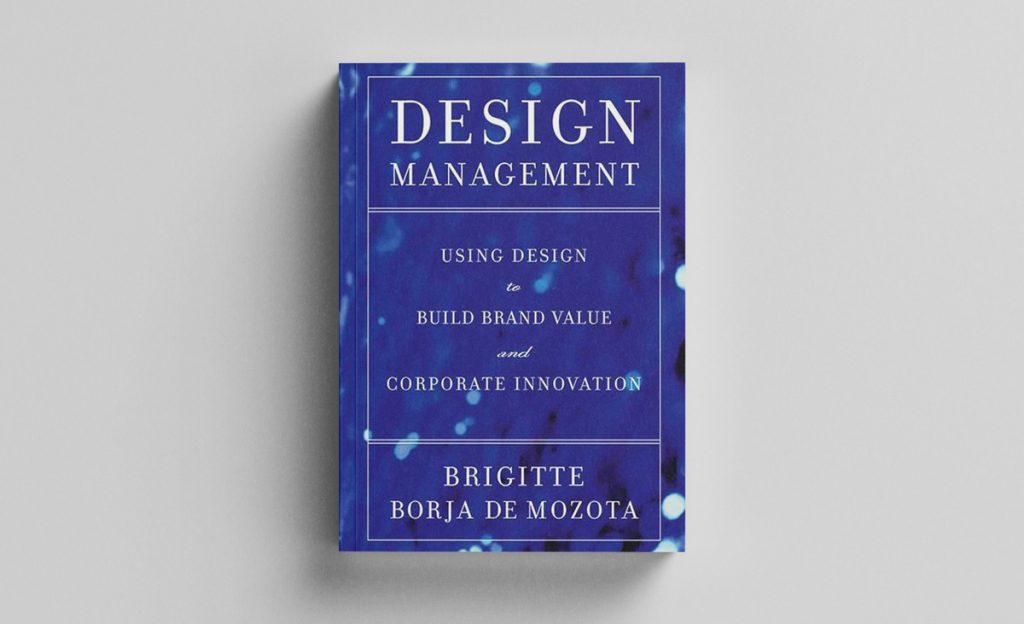
Design Management: Using Design to Build Brand Value and Corporate Innovation
The third book by Brigitte Borja de Mozota, Design Management, focuses on the role of design management in building the brand, involvement in marketing, and achieving corporate innovation. The book starts by exploring the roots of design and how it expanded from the history of craftsmanship, which is then linked to design through the design ladder. Then, the book explores how to use design to achieve brand value and contribute to business innovation, which is applying the strategic level of the design management ladder.
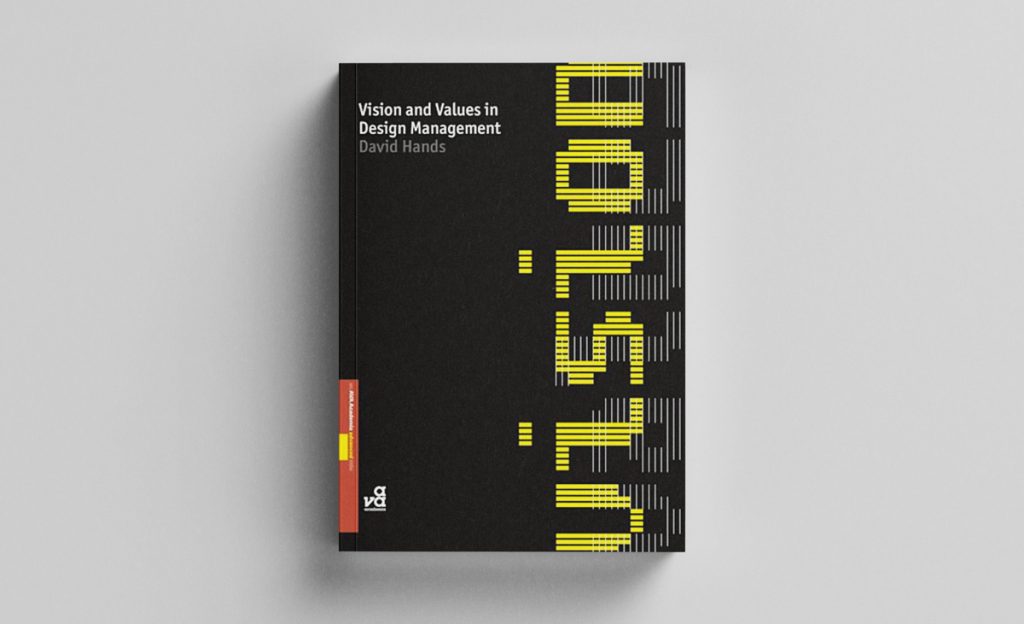
Vision & Values in Design Management
David Hand's book Vision & Values in Design Management provides an exciting approach to exploring design in practice through several case studies and interviews with product designers and design managers to discuss several topics, including the value of design and its application and communicating the vision across the business. Then, the book moves to design transformation and how design can transform business and drive innovation. Then, David moves on to discuss the contribution of design as a national policy and design leadership. This book's unique structure helps you explore the application of different design management levels in business.
Conclusion
Design management allows us to understand the core value of design in business. It helps us map the design practice and value across the industry and between operational, functional, and strategic stakeholders. It is essential to see the design value from the design thinking perspective and how this value applies to achieve the business value as design implements creative problem-solving and iteration to the holistic approach of business.





Leave a Reply