
The understanding of the target audience is crucial for building a viable product or service. Companies use the market segmentation in order to focus their production and marketing campaign on a specific niche of audiences. The market segmentation is defined as the process to divide the large market into smaller and clearly identified segments or groups having similar needs, demands and characteristics. The target is to create a marketing campaign that focuses on this specific consumer segment.
While the term is widely used in marketing, both the design and marketing team should have a clear understanding of the target audience in order to ensure that both the product design align with the market segment highlighted in the company plan. Accordingly, the target market segment should be defined to the design team in the early meetings that introduces the project.
Related articles:
- Visual Guide to the Customer Journey Mapping
- The Minimum Viable Product and Why It is Important
- No Good Service Design Without Good Storytelling
Market Segmentation Strategies
The marketing segment has four basic strategies to segment the market. Applying any of these strategies helps dividing the market to smaller segments, which subsequently helps the designer to focus on specific type of the end consumers. The four strategies include the following:
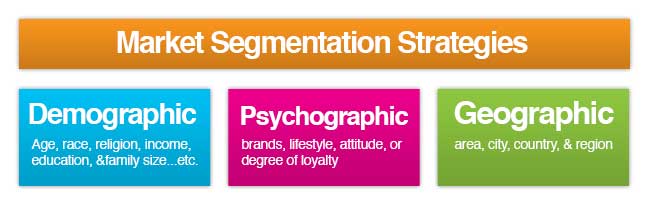
Demographic segmentation categorizes the customers based on their age, race, religion, income, education, and family size...etc.
Psychographic segmentation categorizes the customer based on their personality and interests. For example, the customers can be segmented based on their preferable brands, lifestyle, attitude, or degree of loyalty.
Geographic segmentation categorizes the customers based on their location such as area, city, country, and regions.
One of the commonly used strategies to define the market segment is the demographic information, which divides the large market into smaller groups based on the race, age, gender, education, occupation, marital status and income. For example, one company may produce two different products; the first one is after shave foam, which by default use the male segment, while the other is feminine hygiene product that will target the female segment.
Types of Market Segmentation
You may notice that there are companies that focus on one product targeting single marketing segment, while others are having multiple products targeting different segments, there are advantages and disadvantages for both types.
Single market segment
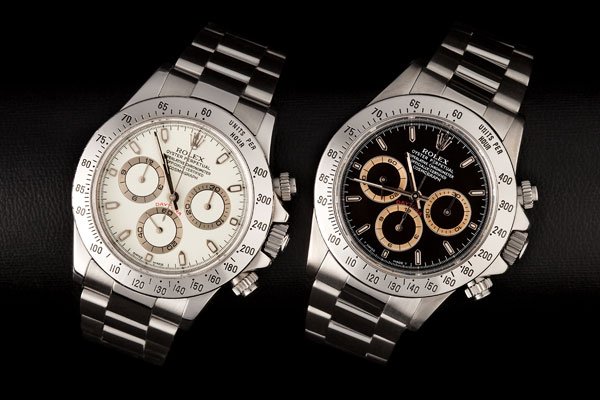
The single market segmentation or the concentrated strategy is the most focusing plan as it pinpoints only one segment based on the above mentioned strategies. One of the examples of this strategy is ROLEX luxury watch brand that focuses only on the rich consumers who can afford its price.The concentrated strategy has advantages such as:
- Specialization in one product
- Put all the efforts together for the satisfaction of one consumer groups
- Limits the resources as all the facilities are focusing on one segment
However, the concentrated segmentation includes risks such as the following:
- Increased risk of working in only one segment
- Any shift in the consumer interest can affect the brand enormously
- The company may fact troubles in expanding the business markets
Multi-segment strategy
Unlike the single market segment, the multi-segmentation focuses on more than one consumer type expanding the based of the business to reduce risk. One of the examples of multi-segmentation Marriott International that provide different levels of residencies such as the Marriott Suites for the permanent vacationers, the Fairfield Inn for economy lodging and the Courtyard By Marriott for business travelers. The advantages of using this type are:
- The ability to shift production capacities between products
- Extend the market coverage
- Flexible pricing policy as each product can have its own price range
- Less risk as the company reply on different segments in the market
Yet, as we mentioned earlier, only few companies are able to achieve this variation during the following disadvantages:
- Requires greater investment and ability to manage complex production process
- Increased marketing cost to be able to sell products through different channels
- Requires careful understanding the market of each product to avoid confused marketing vision
Importance of Market Segmentation
While market segmentation is initial step in marketing due to its importance to define the target customer, designers need to clearly understand the market segment for the following reasons:
Understand their customers
At the beginning of the design thinking process, the design team need to apply a research phase where they tend to understand their audience needs and subsequently build a persona that represents the target audience. The market segmentation helps the design team to define the research scope and subsequently build a product that meet with the customer's needs.
Align with the marketing team
When the company aims to establish a new brand in the market. it tends to define the market segment that need to addressed. This can be in an early stage of product development stages. Both the marketing and design team should have a clear understanding about the targeted market segment in order to ensure that both teams are aligning their strategies together.
Switching Between Segmentation Types
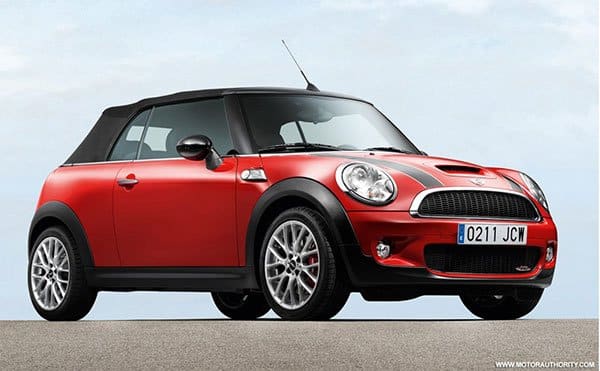
While the very quick review to the BMW Mini Cooper, it provides a clear example for the market segmentation as a variable factor in the marketing process rather than a fixed one. Enterprises can shift from concentrated segment strategy to multi-segment strategy based on number of factors including the expanding the consumer base and accessing new markets.
For long time, Mini Cooper was known as the cool British car for individual with special taste and high energy; mostly young consumers with the age range 20-30. It is also promoted in the British market as the historic iconic UK car for young energetic young consumer. These were not associated with any of the values in the United States market.
Although Mini was known as young energetic car, it has other market segment focus but these segments were no universal. Generally Mini Cooper segments the market based on two factors, the first one is based on the people emotions and the geographical location.
The designers must have very good understanding to the marketing segmentation strategy before the new product development (NPD) in order to build a product design that are functional and viable in the real market. it is also important to learn that the segment is not a fixed value through the company life, new products can be produced to open new segments, which turns the company strategy by default from concentrated segmentation to multi-segmentation strategy.
Additionally, expanding the business may lead to increasing the segmentation based on number of factors such as the emotional factors and geographical location. Both design and marketing teams should integrate together along with these changes in sustain a successful production process.





awesome (y)
Thanks Hadeer!