

Making the right decision is the biggest challenge that designers, managers, and innovators face, especially when there can be more than one possible choice to select from and multiple factors that need to be evaluated to make the right decision. The Decision Matrix (also known as the Grid Analysis and Pugh Matrix Analysis) lets you achieve this target by providing […]
What is the 8D Problem Solving? And How to use the 8D Report?
The 8D problem-solving process (also known as the 8 Disciplines) is very different from previous processes we explored previously, such as the Double Diamond design process or the IBM Design Thinking. The 8D process works in a rigid standardised nature to address the crisis caused by problems. The 8D process aims to walk with the […]
Stage Gate Process: The Complete Practice Guide
When it comes to the process of new product development, the stakes are high to achieve the target goals and introduce to the market a product that can satisfy both consumers and investors. The management process should consider a high level of iteration and validation while developing new products. Before jumping from one StageStage to […]
Why is Medical Technology Innovation so Hard?

Medical technology innovation has dramatically expanded, especially during the COVID-19 lockdown. Mobile apps were used to track and trace to spread of the pandemic, and video chatting apps replace physical doctor appointments. This extent highlighted several medical technology benefits for the healthcare system, such as noninvasive treatments, accessible services and patient-centric solutions. Unlike pharmaceutical or […]
How to Apply Paul-Elder Critical Thinking Framework
The critical thinking framework provides an efficient method for designers, design students, and researchers to evaluate arguments and ideas through rational reasoning. As a result, we eliminate biases, distractions, and similar factors that negatively affect our decisions and judgments. We can use critical thinking to escape our current mindsets to reach innovative outcomes. The critical thinking framework is based […]
What is Design? And What is not?
What is design? We will explore design characteristics based on different scholars and practitioners to answer this question.
How to Conduct Heuristic Evaluation?
The usability testing is one of the essential stages of the user experience design process where the prototype is tested and evaluated to ensure that the final product is user-friendly in terms of usability factors such as functionality, user control, consistency, and error prevention. There are different usability testing methods that could be used in […]
How to Use Role-Play Method in UX Research

As human beings, our lives are formed as a net of intersected stories. Reading or watching stories help us to put ourselves on others shoes, feel their pains and pleasant experience. Accordingly, role-play can be one of the effective method in UX research to explore about users' needs and experience when using the developed product […]
The Double Diamond Design Thinking Process and How to Use it
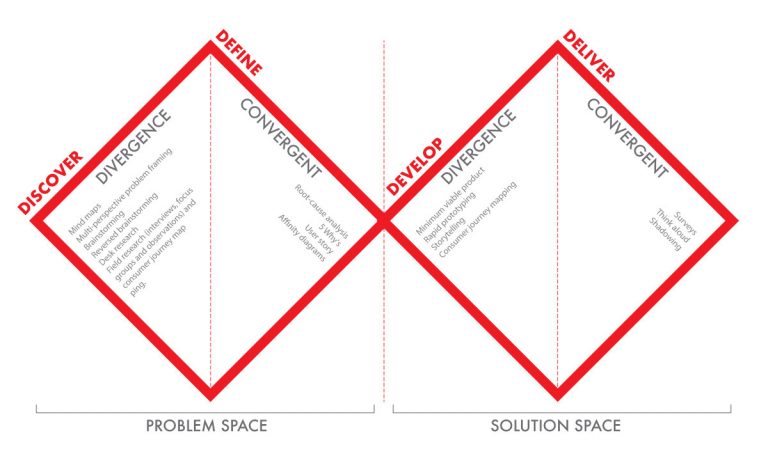
Summary: The design thinking process is a mindset grounded in the core characteristics of design and used to solve problems and drive innovation. The Double Diamond design thinking process consists of four key stages: Discover, Define, Develop, and Deliver, and provides a practical model to apply design thinking. We explored design thinking and various frameworks […]
How to use Card Sorting to Improve Service Design
Service design follows the same design thinking processes that we highlighted in previous articles about design thinking. However, when it comes to the prototyping stage, there should be a coherent structure for the information structure provided to the consumers during their product or service usage. Organising the information can be represented in the tagging system in […]
Exploring IKEA’s Sustainable Design Strategy: Part One

The design adds various values inside any company. At the top of these values is building a company-wide strategy such as IKEA sustainable design strategy. Strategic design and good design management are essential for any organization to achieve innovation, which subsequently leads to a more exceptional ability to compete in the market. “Tomorrow’s business must […]
30+ Distance Learning Tools And Advices for Design Educators
In response to the Coronavirus (COVID-19) outbreak, many educational institutions have recommended their students to switch to distance learning or online learning to reduce the chances to get infected and reduce physical contact. This action is challenging because of 1) we have not seen such outbreak before, and 2) because many of the design educators […]
PESTLE Analysis and When to Use it

Finding a creative idea is only the first step in every innovation process, understanding the whole picture about business and forecast both internal and external factors that may affect it is critically required before releasing to the market. At this point, tools like the PESTLE analysis and SWOT analysis come into action. In a previous […]
The Role of Storytelling in the Design Process
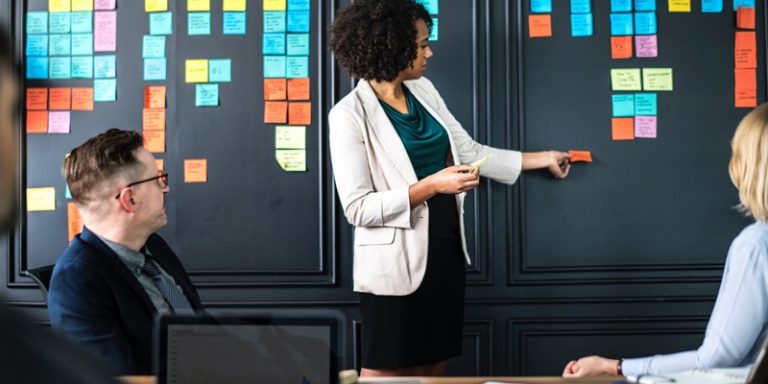
Storytelling is in the heart of our DNA as a human being, it helps us connect events is a holistic experience through time. This unique nature of stories makes it one of the essential tools during the design process of both products and services. Previously, we explored the nature of the design thinking process and […]
Guerrilla User Experience for Quick, Low-Budget Research

Building a user-centered design requires a deep understanding of consumer experience, which can be only achieved through an in-depth research process prior to building the first product prototype. However, as a designer, one of the common challenges when conducting user experience (UX) research is the project managers themselves. Although they never say no to user […]
Applying Design Thinking for Strategic Innovation

Summary: Design thinking can have a significant impact when utilised as a strategic asset within the organisation to shift toward a consumer-centric, innovation-driven culture. Examples of companies that adopted a design thinking mindset are IKEA, Apple, and Starbucks. Many companies still lack an understanding of design thinking. I believe this may be a result of two main […]
My Advice to Innovators From Years in Cambodia Designing New Solutions to Poverty
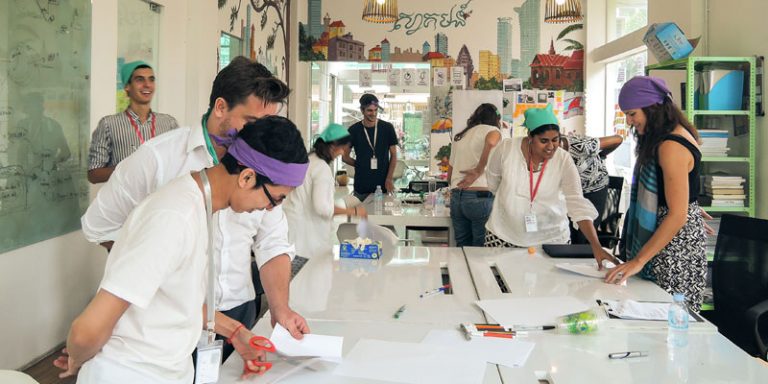
For the last decade, I've been designing solutions that improve human well-being in the developing world. For those who want to apply design thinking to situations of extreme constraints, like rural Cambodia, my iDE collaborator, Jose Mena, and I have some advice. Use Innovation to Design Experiences, not Just Things Don’t let your team settle […]
Why Brainstorming is a Waste of Time and What is the Alternative
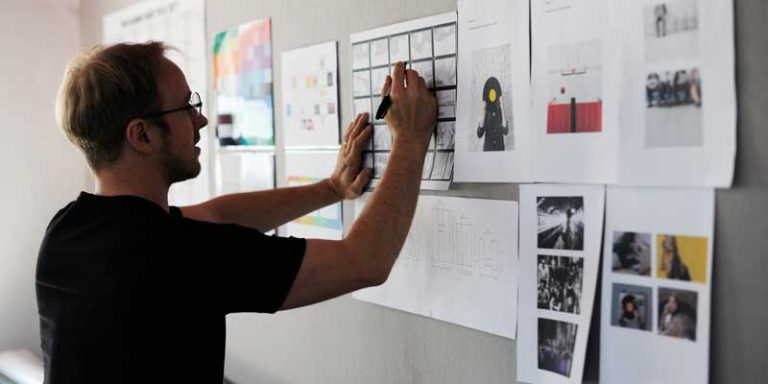
The notion of brainstorming was first introduced by the advertising executive Alex Osborn in 1939 and was published in his book, How to Think Up, in 1942. The basic idea behind the group brainstorming sessions is that privilege the diversity expertise inside the organization to develop innovative ideas and solutions for problems. it aims to […]
Unpacking Design Thinking Futures: GK VanPatter in conversation with Rafiq Elmansy Part 2
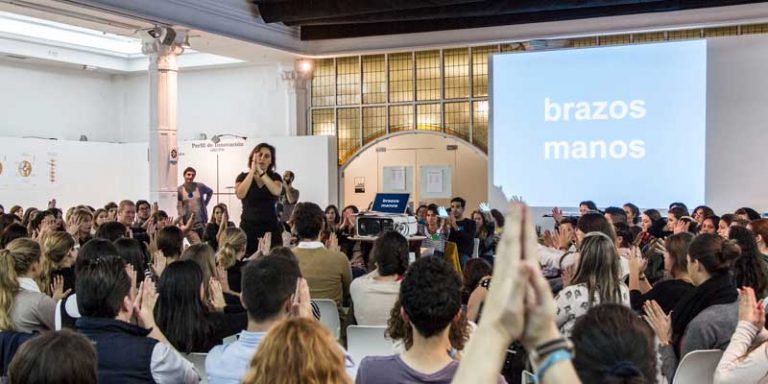
Last week, we got the chance to discuss with GK VanPatter, co-founder of Humantific, his vision about design thinking futures as part of this series of interviews with design leaders. Our purpose is to gain a better understanding of the present and future of the design industry. In the previous interview, Unpacking Design Thinking Futures […]
Unpacking Design Thinking Futures: GK VanPatter in conversation with Rafiq Elmansy Part 1
Design is now taking broader perspective than before. It's now used by large companies such as Google, Apple, IKEA, Nike, and others as a strategic and business tool to lead business to a new innovative level. Design thinking is widely used by various companies to achieve business advantages such as innovation, market competitiveness, and profitability. […]