
Design thinking tools and methods tend to explore innovative ideas and creative solutions for organization problems by shifting the way we think from ordinary methods to new techniques that explore undiscovered creative potentials. Implementing design thinking as part of the strategic planning of the organization is known to achieve success; companies such as IKEA, Lego, and Apple provide a proof of success to this model, which leads other companies such as IBM to adopt the same model with a plan to higher more than 1000 designers in different roles inside the organization by the end of 2015.
However, traditional managers claim that design thinking is a waste of time, especially during a project crisis and under tight deadlines. They prefer to use the usual meetings styles to discuss ideas and solve problems, as these methods already have been practiced hundreds of times before. For many design thinkers, this frequently highlighted debate hinders them from adopting creative thinking tools inside companies, especially when the discussion is with an autocratic type of managers who only believes in making the decisions themselves without consulting the team members.
Observing these debates and asking managers why don't they adopt design thinking highlights a number of problems that cause this uncertainty or fear to adopt creative thinking inside organizations. The common issues outlined below face the design thinking process and contribute to failing to adopt it inside companies.
Lack of understanding the goal of design thinking
Understanding what design thinking is stands as one of the initial barriers facing implementing design thinking inside the organization strategy. A majority of managers do not really understand what design thinking is, its beneficial impact on the company, and why using it contributes to success.
Some managers have an incomplete picture about design thinking, while some see it as a fun tool to entertain the employees, and others see it as a method to waste time during meetings. The wrongly addressed topic of how design thinking is presented to them contributes to reaching this mistaken idea. Usually, the idea of adopting design thinking is highlighted by designers or employees who do not have enough experience with it and its techniques, meaning they are not able to provide informed examples of how design thinking contributes to organizational success and improves its competitive position in the market.
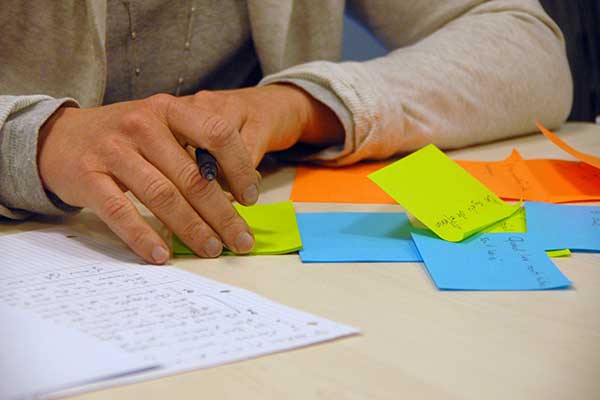
A deep understanding of the term “design thinking” should exist among managers before determining if it is a proper method to adopt in the project plan or not. While acquiring this knowledge may not be accessible for managers, consultation should be provided based on this approach. Design thinkers and consultants should briefly increase the awareness of what design thinking is and how it can improve business.
Using the wrong tool in the wrong time
One common comment on using design thinking inside organization—and I have heard it more than once—is the time concerns. Many managers tend to avoid using methods such as brainstorming and mind mapping, as they think it wastes precious time during the project initiations. They prefer to depend on ordinary meeting methods or just giving directions to their team to follow.
It is true that some design thinking methods can hinder more than support projects, especially in critical times. Therefore, the proper tool should be used in the suitable time. For example, some methods are helpful to explore the causes for problems, while others are good to explore the innovation capacity for the project. The TRIZ is one of the methods that can be used during a critical time to find creative solutions for problems. TRIZ uses a set of 40 cases and allow teams to explore unexpected solution possibilities and then evaluate the chosen case before applying it to the current situation.
Working toward a predetermined solution
Creative thinking sessions should run smoothly in a collaborative environment in order to achieve their goals. However, one of the deadly mistakes that ruins this endeavor is directing the session toward a specific opinion or trying the dominate the opinion of the facilitator as he or she runs the session.

The facilitator role is to manage the session, organize the participation, solve conflicts, pause when needed, and ensure that the session is running toward the planned goal. While some creative thinking methods tend to clearly define the role of the facilitator, such as the six thinking hats and Lego Serious Play, other tools such as brainstorming and cause-effect diagram do not define this role, leaving a high possibility to bias the session, which is not recommended. This problem can occur due to the usage of inexperienced facilitator, and it can be only solved when disregarding the facilitator’s opinion from the role activity during the session.
Starting an unplanned session
Nothing is worse than starting an unplanned meeting. Hundreds of unplanned meetings end up to be either a waste of time, a chatting session, or a fight between the stakeholders. Design thinking is no exception. It requires the team members to be ready for the session or be prepared with organized ideas before the meeting begins. Usually, the creative thinking session should have a time limit and should be a planned event, so attendees can prepare their ideas and themselves. Brief information about the tool to be used allows people who have never attended a design thinking method to prepare themselves by Googling some basic information about the tool to be used.
Part of design thinking session planning is to prepare the proper tools, such as markers, white boards, cards, post-it sticky notes, and others. While there are many applications, online tools, and mobile apps that can help when doing mind mapping and brainstorming, it is recommended to adopt the simplest methods during group discussions. This will help the team to focus on the session rather than the tool. Drawing on white boards helps the attendees to focus on the idea as it is drawn in front of their faces.
https://www.wedgies.com/question/565c206fc1a44710000039f8
Many managers claim that design thinking methods are a waste of time for projects, especially in an emergency. On the other hand, top innovative companies such as Lego, IKEA, Apple, and others tend to adopt design thinking in order to achieve innovation inside organization. This debate highlights why managers fear to use creative thinking or prefer to stay with the ordinary methods.
In order to achieve a a successful design thinking process, a number of items should be seriously considered, such as introducing a clear definition of design thinking and its different types, identifying which tool is suitable during the various phases and circumstances of the project, running the session with experienced facilitators, and planning for the session through scheduling the meeting time and determining a meeting time limit to ensure the achievement of the target within a specific timeframe.





I'd like to suggest that the "emergencies" that a lot of traditional managers use to vindicate not adopting design thinking have usually come about due to not adopting it, in earlier unplanned meetings, where uninformed decisions have been made by the same traditional managers.