

Google Design Sprint is one of the UX design processes that is based o the agile methodology. It aims to put the user in the center of the development process in addition to technology and business. Unlike the other UX design processes, the Google Design Sprinting aims to shorten required for the UX design process […]
5 Successful Open Innovation Examples

Both large and small companies have agreed that innovation and creativity are essential tools to sustain business success and improve market competitiveness. However, the traditional "closed" innovation model faced barriers and in the top of them is the lack of new idea generation among the internal company team. Open Innovation model was first coined to […]
10 Productivity Tips for Designers

Many designers complain about a large number of tasks they have every day comparing with the time required to achieve it. If you are a freelance designer, the problem becomes, even more, worse as there is always a time with a heavy load of work, while there are other times with merely one project in […]
Hick’s Law: Building Usable Navigations
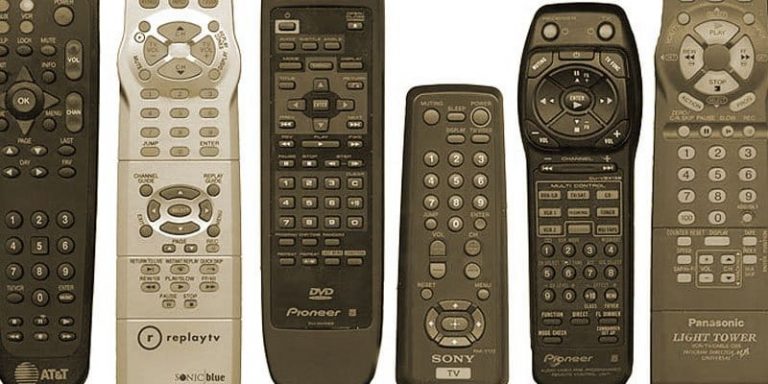
Building a user-friendly UI Design involves creating a usable navigation system that allows users to easily move between pages or UI screens, and one of the laws that contribute building a clear understanding about how users navigate through different choices in websites or applications is the Hick’s Law. It highlights that the time needed by the […]
Service Design Thinking: Putting Your Consumer First

The design process involves multiple disciplines starting from the emphasize phase to the final product delivery. However, achieving a desirable design experience extends the borders of the product development to include the service design. Unlike the physical product design, the service design focuses on the communication between consumers and the organization during the process of […]
Webinar: Prototyping Using Adobe Experience Design
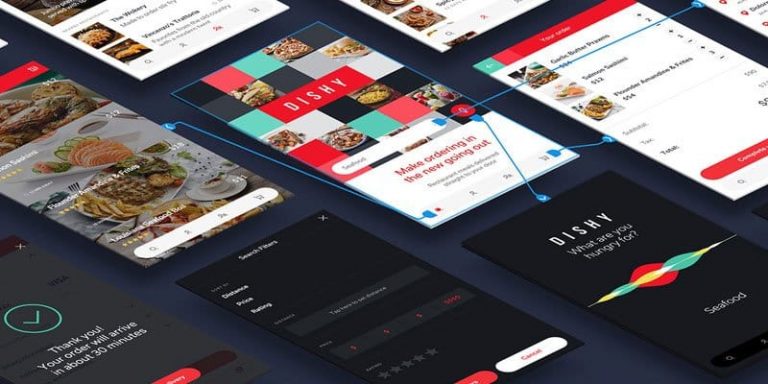
In Designorate, we aim to spread the word for the broader role of the design process inside the enterprise and build a consumer-centered culture inside individual firms. Therefore, we will start our Designorate Webinar series. During this series, we plan to engage with you through live sessions that discuss different topics related to design, design […]
What Designers Need to Learn Aside from Their Design Education

In a conversation with one of my friends about the problems that designers face in their professional life, she highlighted that while designers may get good design-related skills during design education, they lack other skills that are needed in the typical work environment. For example, designers may only think of their tasks without considering the […]
5 Common Myths About Design
"Designers only do Photoshop work," "They only think about colors," " Design only adds more cost to the project," and other comments are common to hear if you are a designer working in a company that doesn't really understand what you do. As a designer, those words frustrate me the most simply, because they aren't […]
Why You Should Move to a Lean UX and How to Apply It
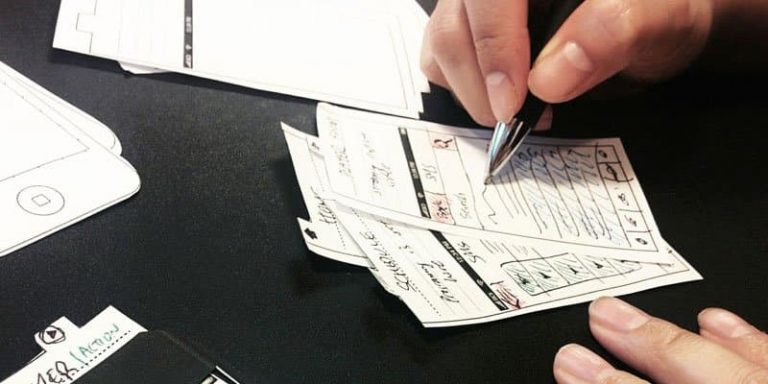
Recently, the Lean UX technique has been highlighted as one of the user experience methods that privilege the Agile development method to overcome the cons of the traditional UX process. While the aim of the user experience process is to deliver the best experience possible for the end user, the waterfall software development process may […]
Practice Guide to Run a Google Design Sprint
The design process plays an essential role in achieving product success by ensuring that the user is at the heart of the development process and that the final product is innovative enough to compete in the market and achieve business needs. Google Design Sprint is one of the design process models developed to build user-centered […]
Design Principles: Repetition, Pattern, and Rhythm

The use of repeated design elements is a controversial topic in the creative industry. The distinction between, on the one hand, mundane repetition at the expense of creativity and, on the other hand, a belief in the importance of maintaining good practice to deliver effective visual results for the end user has the design industry […]
SWOT Analysis for the UK’s Brexit Decision to Leave the EU

Last week, the UK decided to leave the European Union after more than 40 years of membership. The national referendum results were 51.9% to leave, while 48.1% to stay. The decision was not only shocking for many people: it has also shocked the British and global economy. Anyone who knows how to invest in stocks […]
How Design Thinking Approaches Problems
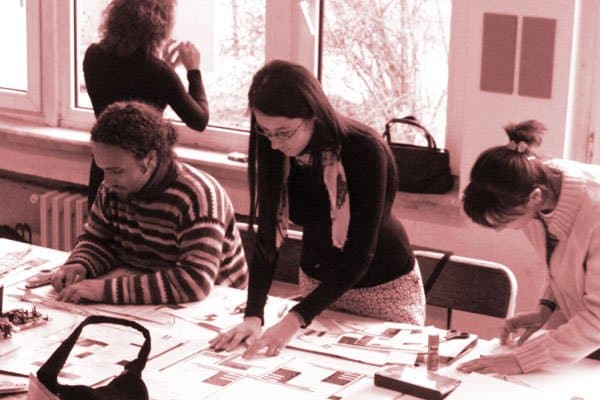
Design thinking is widely known as a strategy to successfully address complex problems and build products that address consumers’ needs. Many word-leading design companies, such as Apple, Microsoft, IKEA, Lego and others, have achieved success through applying design thinking in their product development process. While there are similarities between the design thinking process and other […]
Guide for 3D Printing Technologies
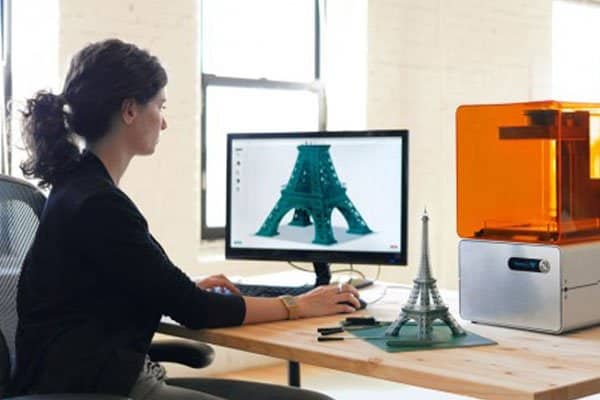
3D printing technology is one of the rapidly growing fields that has been involved in different industries including, but is not limited to industrial design, product design, and medical implementations. The affordability of 3D printers, plus their easy installation and usage, make it a very appealing technology for designers to visualize their ideas in the […]
10 Success Factors for the Experience Design Process
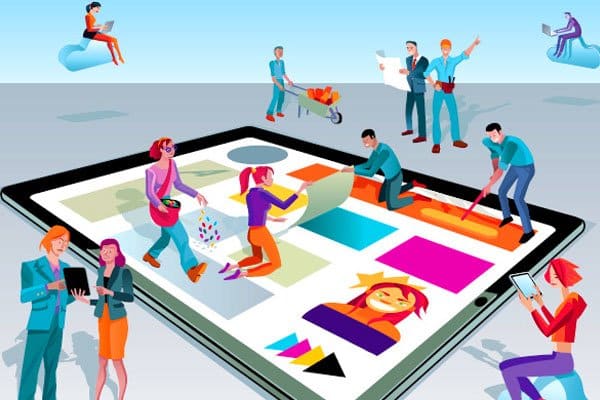
Experience design (or “user experience design”) aims to improve the usability and accessibility of the digital or physical product and thereby create a pleasant and effective experience while using the product and hence a satisfied user. This requires more than just focusing on the aesthetics or the layout of the application design. A successful experience […]
UI Design Patterns and How They Are Applied
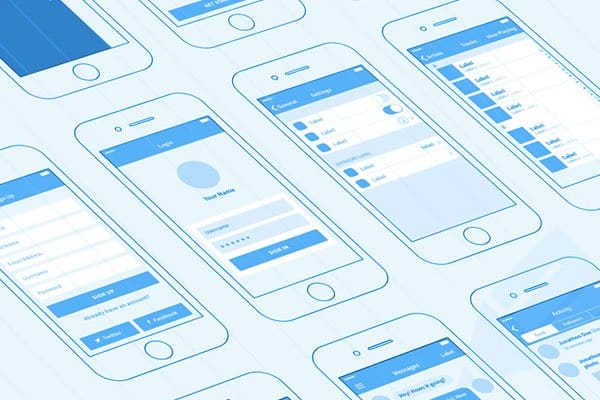
UI design patterns are based on the observations of Christopher Alexander. In 1960, he observed that many things happen in our lives according to recurring patterns. This observation was later implemented in different design fields in order to solve problems with existing solution patterns. In user experience, the UI design patterns refer to user interface […]
Exploring Design in the Egyptian Creative Market (Infographic)

There is an agreement between both scholars and practitioners about the important role of design and creativity in the following three fields: education, organization, and government. In a previous article, “Leading Economy Through Design: Applying National Design Policies”, we explored how different countries such as the UK, Germany, Japan, India, and China adopt design policies […]
7 Steps to Create a Successful Journey Map

‘Putting yourself in someone else’s shoes’ is a commonly used idiom. For a designer, however, it is an essential step in concept creation, research, and design. In order to guide any design process, the following vital question should be answered by designers; “Who is the target user, and how will he/she use the product?” Whether […]
How to Conduct a Successful UX Research for Your Design Project
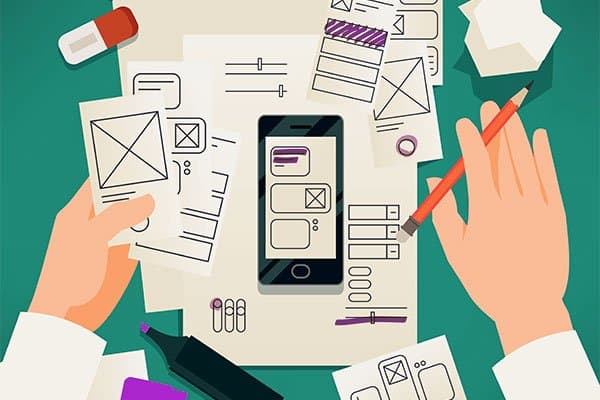
Lacking a clear understanding of the project target audience can prevent a design team from developing a product that fulfills the end user’s needs and expectations. Before starting a project, many questions come to mind including “What is the target market segment?”, “What are the user problems that we can address?” and “How we can […]
10 Product Design Icons from the 20th Century
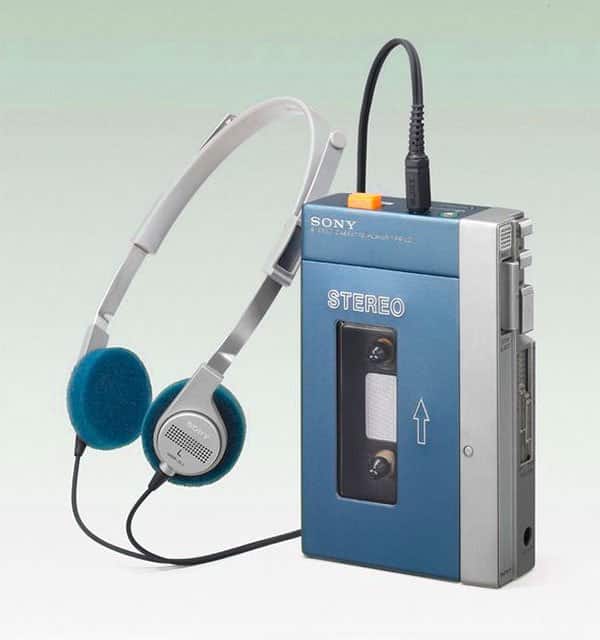
Following the product design timeline during the 20th century, we can observe that design has evolved to focus on the function rather than the form which dominated 19th-century design movements. Design schools such as post-modernism and Bauhaus contributed to focus on the function of the design and how it serves people’s needs. The product design […]