
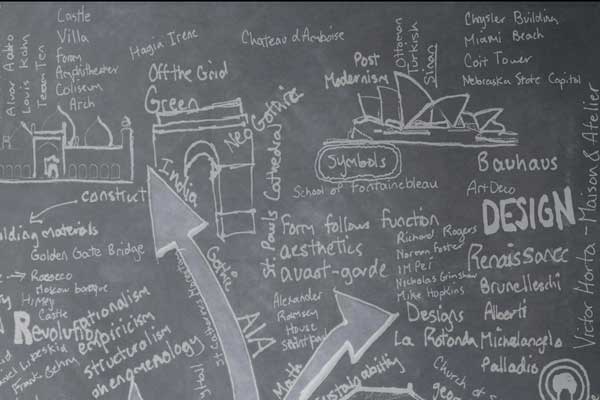
Design thinking is defined by Tim Brown, CEO of IDEO, as “a discipline that uses the designer’s sensibility and methods to match people’s needs with what is technologically feasible and what a viable business strategy can convert into customer value and market opportunity.” Design thinking aims to achieve innovation and solve problems while putting the […]
Exploring Human-Centered Innovation: NEST CASE STUDY

As RIBA’s policy officer, Emillia Plotka stated, "Access to energy consumption data at a larger scale could help identify energy-use hotspots and point to areas that could benefit from community energy or retrofitting schemes.”, a more need to innovation and creativity to build smarter homes and intelligent devices that can contribute to sustainability. Founded in 2010 […]
Five Product Designs Against Crime
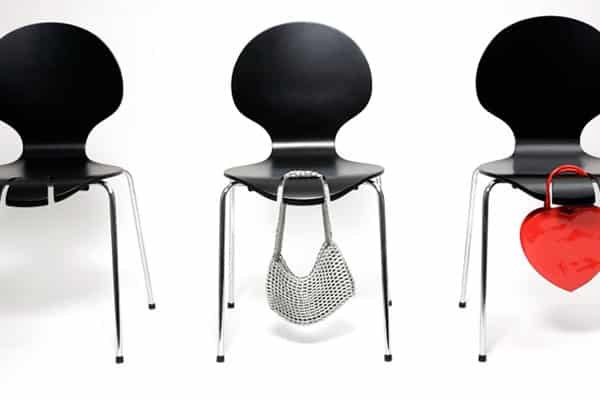
Crime has a significant negative impact of economy and society, both from physical and physiological approaches. Prison population has increased in the UK from 44,000 to 83,000 between 1993 and 2007, which loaded the UK government with an extra GBP 3.8 billion to build 20,000 more prison places. Costs average around GBP 10,407 per unit […]
Common Types of Mind Maps and How to Use Them
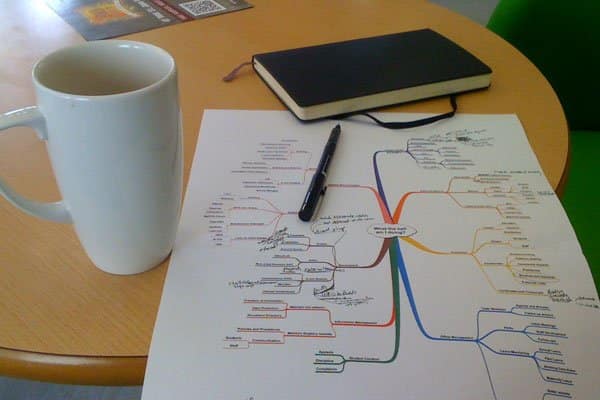
Mind maps are widely used by both designers and non-designers as a method for brainstorming in the early stages of projects in order to explore ideas or solve project problems. In a previous article, we explored the concept of mind maps and how to use them by starting with a core idea and expanding it […]
8 Tips to Finance Your Design Business
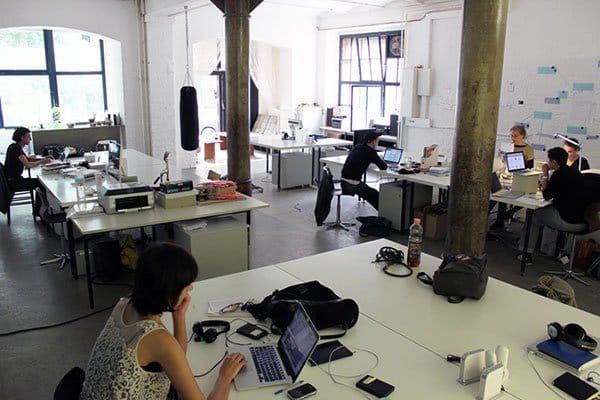
One of the major challenges facing designers and creative people seeking to start their own business—or moving their creative idea from their art studio labs to the market as a manufactured project—is finding the proper method to finance their business. While designers get the chance to learn creative courses and how to develop their ideas […]
Tracing the Open Design Practice
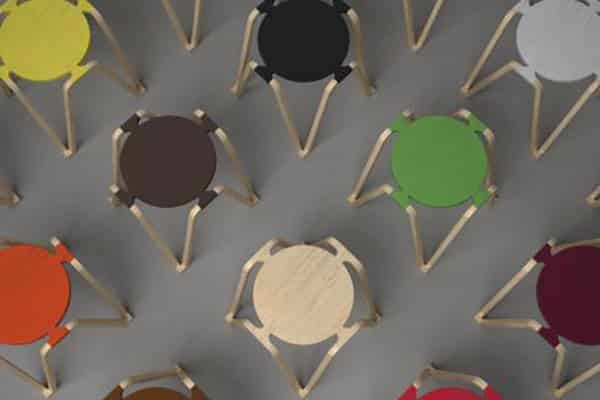
The term “open” is added to different fields such as design, innovation, and software in order to reflect co-creation principles with users contributing to the final design, either by assembling the product, customizing it, or adding more functions to it. A good example of open design is IKEA’s products that can be bought in separate […]
How Designers Can Use Rolestorming to Understand Consumers
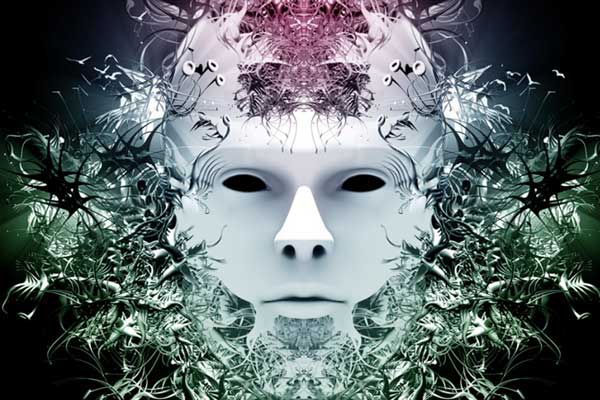
Brainstorming techniques are used to achieve different goals, including finding creative ideas, solving problems, and understanding the target consumer during the ideation phase of the design process. However, brainstorming team members are affected by their own voices and personalities, which may affect their ideas that should reflect the consumer characteristics and needs instead. This can […]
Using Value Stream Maps to Improve User Experience
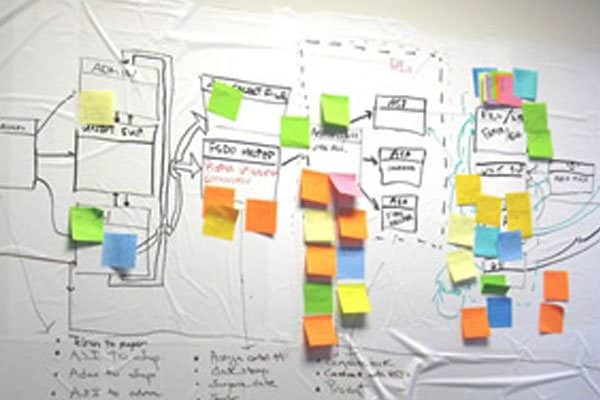
Designing in its holistic approach is a method for solving problems through creativity and innovation by designing a better product or service experience. In-depth research and exploration for the end user should be conducted at an early stage of the design process in order to understand how consumers use the product or service and what […]
Design Drivers in the Middle East
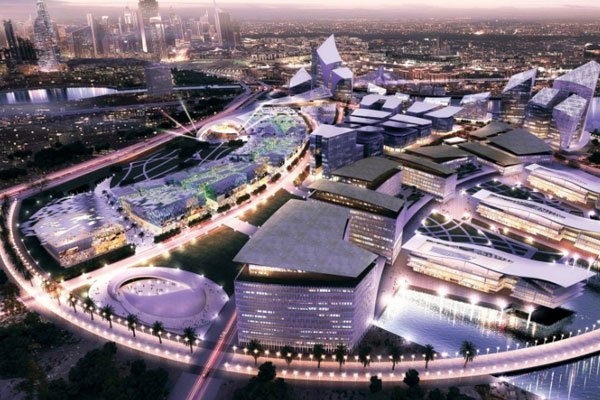
Design has been agreed as a driver for success among design scholars and practitioners. However, outside the creative and innovation community, an uncertain vision about design can be identified – especially in developed countries – which leads to the questions, what are the design drivers in developed counters and how can these drivers be adapted […]
Five Reasons Behind a Failed UX Design Process

Many products in the market can be beautiful or full of functions and features, but are hard to use. These products reveal the importance of the user experience process, which tends to bridge the gap between products and end users by directing the whole production process towards a human-centered design approach. Many companies agree that the […]
Building a Solid User-Centered Design Process
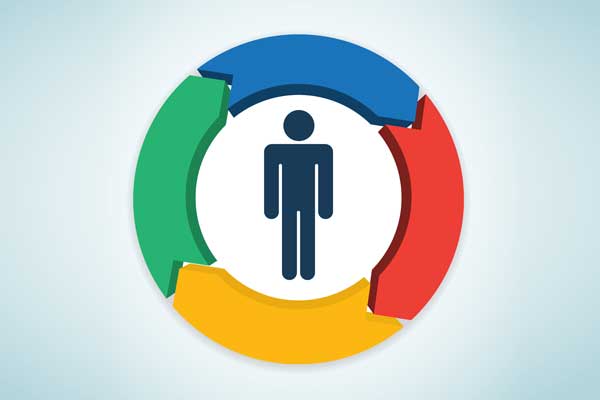
Many companies claim they are designing with the end user in mind; yet too many products fail to achieve this goal. This occurs because of a variety of factors, like needing to adapt to different targets or using tools that do not achieve the target’s needs. The user-centered design process ensures that the user is […]
80/20 Rule: From Economics to Design

Observing consumer behavior can teach us a lot of information about the features implied within the design and how users will interact with those features. An interesting observation indicated by research is that users do not interact equally with all features offered in a design. When visiting a Facebook profile, only a limited number of […]
How New Google Logo Will Change Old Design Rules

Two days ago, Google surprised the world with its new logo design after 17 years of using the same logo for their branding. The previous logo featured minor alterations from time to time, but nothing that could be called a real change. As expected, debates about loving and hating the new logo stormed the […]
How Designers Can Achieve Disruptive Innovation

As people who continuously pursue creative change, designers need to understand the type of change that they are pursuing as well as how to achieve it. Change can be achieved through two types of innovation processes: Sustaining innovation and disruptive innovation. Sustaining innovation change is unlikely to create new markets or values, such as evolution […]
Vroom-Yetton-Jago: Deciding How to Decide

Summary: The Vroom-Yetton-Jago model is a management tool that provides guidance in choosing the best decision based on quality requirements, the need for team input, and time constraints. It outlines five leadership styles and introduces a decision tree with seven key questions to select the most suitable approach. The model's advantages are its flexibility and structured […]
Brainstorming Multiple Ideas Using Charette Procedure

Two main barriers arise when there are 15 people or more present in a brainstorming session when attempting to discuss multiple ideas or problems in the same time. Most brainstorming tools and methods focus on a small group of people discussing one single problem, focus the thinking process for all attendees in one particular direction. […]
Five Lessons Designers Should Learn From Failure
Nothing is worse for designers than failing in a project, especially after spending time and effort in the development of ideas and turning them into a final product. When dealing with failure, most designers respond in one of two ways: they either neglect it and move forward to the next project, or get depressed and […]
How IDEO Creates the Future of Automobility
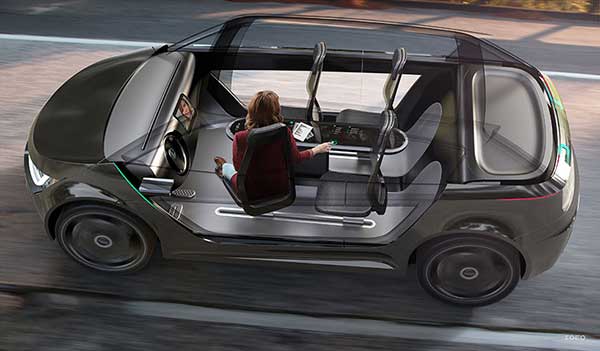
Today’s car designs are based on the same design concepts of decades past; we can’t declare that there is disruptive innovation in the car manufacturing industry, only a few changes that are added along with the launch of new models such as adding features or altering the design lines. However, designers’ roles are not limited […]
CLIP: The New Game-Changing Layerless 3D Printing Technology
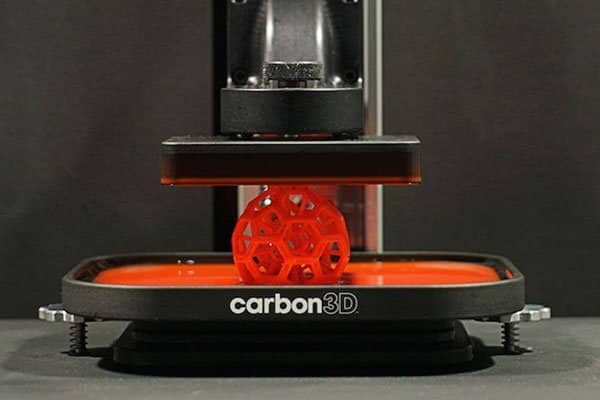
The 3D printing technology is evolving very rapidly as companies and startups continue to develop new innovative ideas to take new technology from the prototyping phase to the industrial and mass production levels. Investigations and research are taking place not only in the implementations of 3D printing technology but also in overcoming the barriers faced […]
10 Top Creative Countries in the World

Both scholars and practitioners agree on the important of design as a key player in the government’s economy, and this can be observed in many countries that have applied national design strategies. This leads us to number of questions, such as; what are the most creative countries in the world? And how can we evaluate […]