

Starbursting brainstorming is another creative tool that takes a different approach from other techniques. When the team within the organisation brainstorms new ideas using mind-mapping and brainstorming tools, the focus is on generating ideas and accepting all ideas. This approach aims to expand the problem exploration in an early stage of the design thinking process. This […]
How to Create a Professional Creative Brief?

Through my years of working as a designer, I understood two factors: the most crucial document that paves the way through the design process is the creative brief, and there is no single agreement on what should be included in the creative brief. You agree with me as each project has its creative brief, and […]
How to Use Lego Serious Play in the Design Thinking Process?
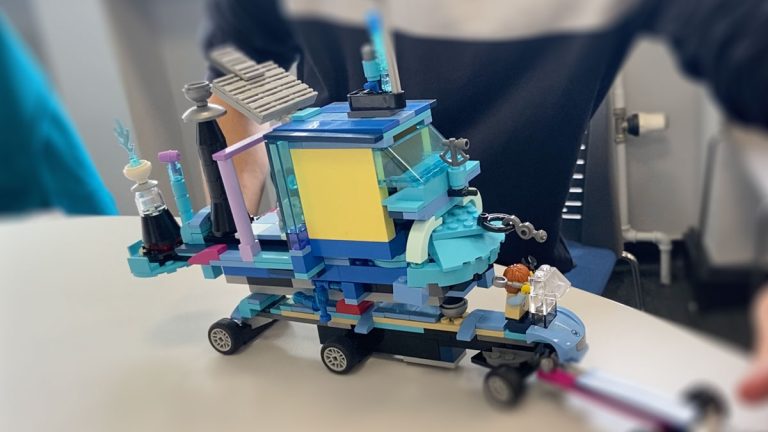
The design thinking process is essential for companies who would like to lead the market through creativity and innovation, and proper tools need to be used to achieve this goal. This is where I got introduced to Lego Serious Play (LSP). While many tools can be used in the design thinking process, such as storytelling, card sorting, SCAMPER and […]
Design Thinking Tools for Ideation
The ideation stage is a key point in the design thinking process (Known as Define in the Double Diamond Process). It is where the problem or the challenge is defined. The prototyped solutions may not achieve their target goals without a clear definition. Therefore, several design thinking tools can be applied to analyse the research data collected from the previous […]
How to Use the Decision Matrix to Make Decisions?

Making the right decision is the biggest challenge that designers, managers, and innovators face, especially when there can be more than one possible choice to select from and multiple factors that need to be evaluated to make the right decision. The Decision Matrix (also known as the Grid Analysis and Pugh Matrix Analysis) lets you achieve this target by providing […]
How to Apply Paul-Elder Critical Thinking Framework

The critical thinking framework provides an efficient method for designers, design students, and researchers to evaluate arguments and ideas through rational reasoning. As a result, we eliminate biases, distractions, and similar factors that negatively affect our decisions and judgments. We can use critical thinking to escape our current mindsets to reach innovative outcomes. The critical thinking framework is based […]
The Double Diamond Design Thinking Process and How to Use it
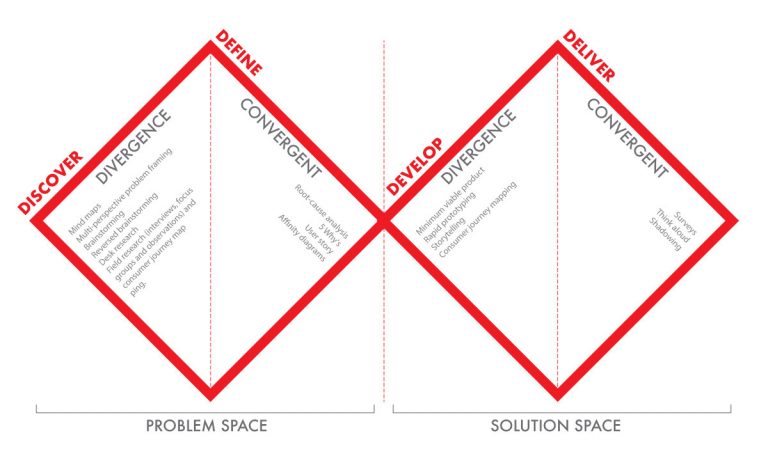
Summary: The design thinking process is a mindset grounded in the core characteristics of design and used to solve problems and drive innovation. The Double Diamond design thinking process consists of four key stages: Discover, Define, Develop, and Deliver, and provides a practical model to apply design thinking. We explored design thinking and various frameworks […]
How to use Card Sorting to Improve Service Design
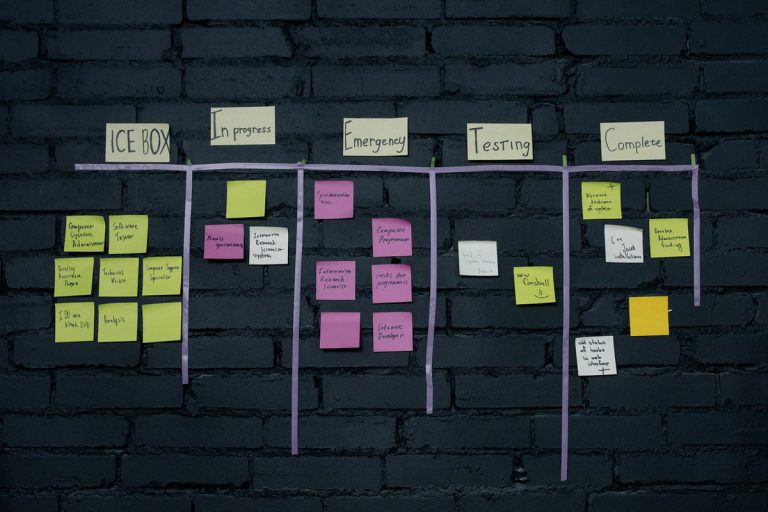
Service design follows the same design thinking processes that we highlighted in previous articles about design thinking. However, when it comes to the prototyping stage, there should be a coherent structure for the information structure provided to the consumers during their product or service usage. Organising the information can be represented in the tagging system in […]
PESTLE Analysis and When to Use it

Finding a creative idea is only the first step in every innovation process, understanding the whole picture about business and forecast both internal and external factors that may affect it is critically required before releasing to the market. At this point, tools like the PESTLE analysis and SWOT analysis come into action. In a previous […]
The Role of Storytelling in the Design Process

Storytelling is in the heart of our DNA as a human being, it helps us connect events is a holistic experience through time. This unique nature of stories makes it one of the essential tools during the design process of both products and services. Previously, we explored the nature of the design thinking process and […]
Design Thinking Guide: What, Why and How

For many companies, the design process is still locked inside a small creative room. Designers do not effectively contribute to building the business as the design is seen as a tool rather than a strategy. On the other hand, a quick look at the markets can tell us more about how the holistic approach of […]
Webinar: Prototyping Using Adobe Experience Design
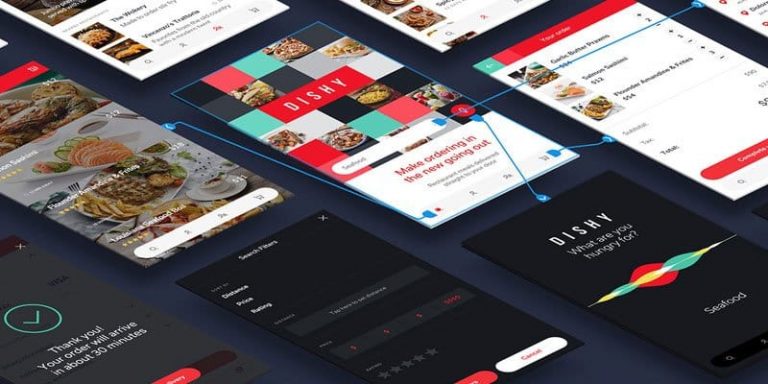
In Designorate, we aim to spread the word for the broader role of the design process inside the enterprise and build a consumer-centered culture inside individual firms. Therefore, we will start our Designorate Webinar series. During this series, we plan to engage with you through live sessions that discuss different topics related to design, design […]
Guide for 3D Printing Technologies
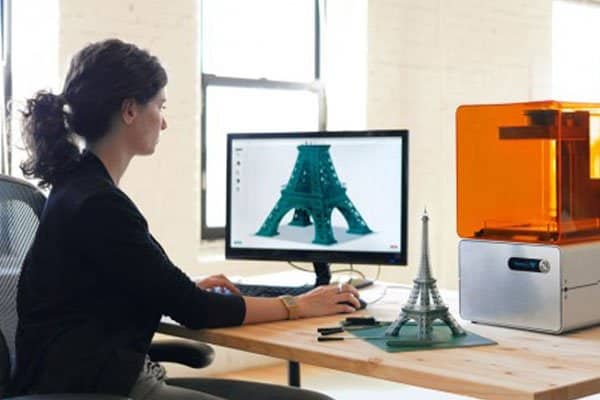
3D printing technology is one of the rapidly growing fields that has been involved in different industries including, but is not limited to industrial design, product design, and medical implementations. The affordability of 3D printers, plus their easy installation and usage, make it a very appealing technology for designers to visualize their ideas in the […]
7 Steps to Create a Successful Journey Map

‘Putting yourself in someone else’s shoes’ is a commonly used idiom. For a designer, however, it is an essential step in concept creation, research, and design. In order to guide any design process, the following vital question should be answered by designers; “Who is the target user, and how will he/she use the product?” Whether […]