

Summary: Design thinking can have a significant impact when utilised as a strategic asset within the organisation to shift toward a consumer-centric, innovation-driven culture. Examples of companies that adopted a design thinking mindset are IKEA, Apple, and Starbucks. Many companies still lack an understanding of design thinking. I believe this may be a result of two main […]
Why Brainstorming is a Waste of Time and What is the Alternative
The notion of brainstorming was first introduced by the advertising executive Alex Osborn in 1939 and was published in his book, How to Think Up, in 1942. The basic idea behind the group brainstorming sessions is that privilege the diversity expertise inside the organization to develop innovative ideas and solutions for problems. it aims to […]
Critical Thinking as a Catalyst of Change in Design

In almost every design project, we find ourselves trapped in a number of mindset obstacles that stands between us and building an innovative outcome. These barriers include presumptions, biased ideas, and limited understanding of the consumer’s needs. Applying the critical thinking may help us to escape these barriers toward innovative solutions and products. The critical […]
Creative Problem Solving: How to Turn Challenges into Opportunities

What if we can turn problems faced in projects into opportunities? There are various examples show that understanding the problem and provide a creative solution for it can lead to successful products such as the Apple iPods and e-book readers. These products have implemented the Creative Problem Solving approach to see their consumers’ needs as […]
Design Schools Should Teach Systems Thinking and This is Why

In simple words, system thinking means understanding the big picture of the current situation through recognizing its different elements, how they interact with each other from one side and external systems from another. For example, the car is considered a system which consists of many elements that interact with each other to achieve its main […]
How to Successfully Apply the Inspiration in Design Thinking

In the last few decades, there were different models for the design thinking process that have been introduced such as the d.school design thinking, IDEO human-centered design, double diamond, IBM design thinking, Google design sprinting and others. Noticeably, these models share a similar flow of phases that starts with understanding the problem addressed, reflect it […]
Design Thinking Guide: What, Why and How
For many companies, the design process is still locked inside a small creative room. Designers do not effectively contribute to building the business as the design is seen as a tool rather than a strategy. On the other hand, a quick look at the markets can tell us more about how the holistic approach of […]
No Good Service Design Without Good Storytelling

The Human Being used stories since the dawn of civilization to as a method for communication, amusement, reflecting emotions, and telling their experience. Stories are a great tool to visualize information through words and human expressions and were always used as one of the education tools for children in different education levels. In service design, […]
Design Thinking: The Need for Empathy

The idea behind design thinking is to address the user problems and ensure that the user's needs are in focus during the different design process phases. it does not matter which design process model you apply in your business; IDEO model, d.school design thinking, double diamond, or IBM design thinking, they are all designed to […]
Guide for Critical Thinking for Designers

In every single day in our life, we are faced with a number of choices to make, problems to solve, and ideas to evaluate or analyze. However, these activities are affected by both internal and external factors such as biases, incomplete information, distortion, and prejudices. All these factors affect the process of choosing the right […]
4 Service Design Tools to Focus on Consumers' Needs

Service design aims to improve both commercial and social services by putting the consumer in the heart of the process. Therefore, organizations that aim to achieve success and higher market position should consider improving their service through building a better understanding to their consumers. Similar to the product development process, the service design thinking follows […]
Service Design Thinking: Putting Your Consumer First

The design process involves multiple disciplines starting from the emphasize phase to the final product delivery. However, achieving a desirable design experience extends the borders of the product development to include the service design. Unlike the physical product design, the service design focuses on the communication between consumers and the organization during the process of […]
Webinar: Prototyping Using Adobe Experience Design
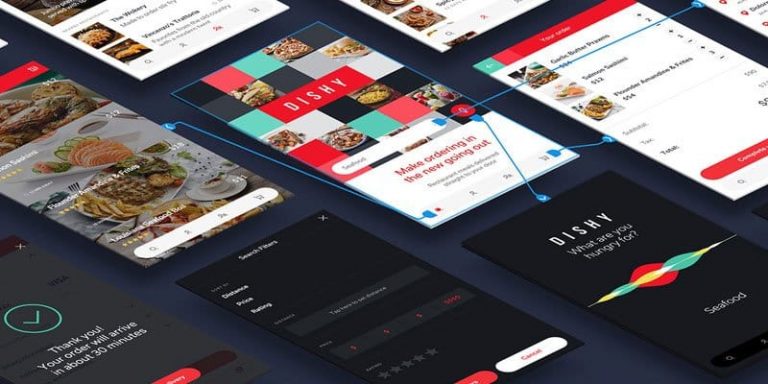
In Designorate, we aim to spread the word for the broader role of the design process inside the enterprise and build a consumer-centered culture inside individual firms. Therefore, we will start our Designorate Webinar series. During this series, we plan to engage with you through live sessions that discuss different topics related to design, design […]
Why You Should Move to a Lean UX and How to Apply It
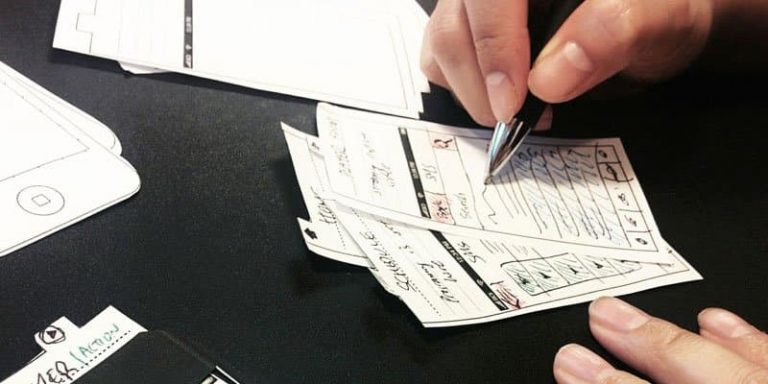
Recently, the Lean UX technique has been highlighted as one of the user experience methods that privilege the Agile development method to overcome the cons of the traditional UX process. While the aim of the user experience process is to deliver the best experience possible for the end user, the waterfall software development process may […]
Practice Guide to Run a Google Design Sprint
The design process plays an essential role in achieving product success by ensuring that the user is at the heart of the development process and that the final product is innovative enough to compete in the market and achieve business needs. Google Design Sprint is one of the design process models developed to build user-centered […]
How Design Thinking Approaches Problems
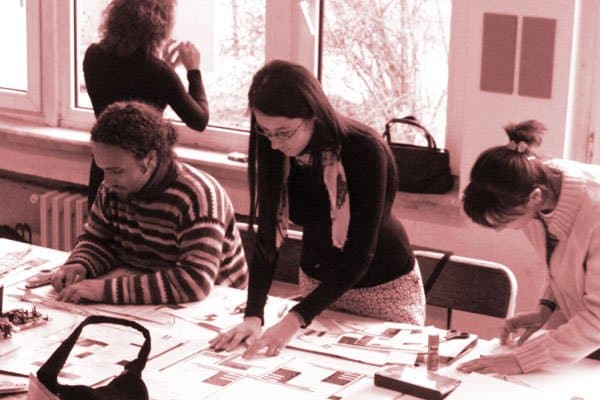
Design thinking is widely known as a strategy to successfully address complex problems and build products that address consumers’ needs. Many word-leading design companies, such as Apple, Microsoft, IKEA, Lego and others, have achieved success through applying design thinking in their product development process. While there are similarities between the design thinking process and other […]
Guide for 3D Printing Technologies
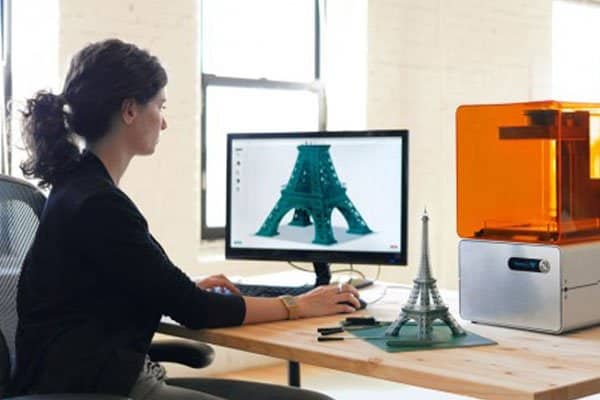
3D printing technology is one of the rapidly growing fields that has been involved in different industries including, but is not limited to industrial design, product design, and medical implementations. The affordability of 3D printers, plus their easy installation and usage, make it a very appealing technology for designers to visualize their ideas in the […]
10 Success Factors for the Experience Design Process
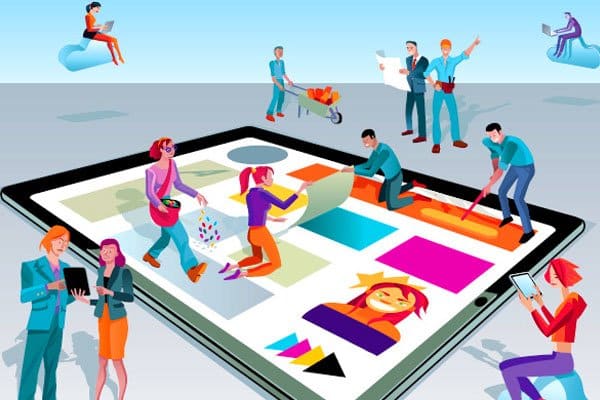
Experience design (or “user experience design”) aims to improve the usability and accessibility of the digital or physical product and thereby create a pleasant and effective experience while using the product and hence a satisfied user. This requires more than just focusing on the aesthetics or the layout of the application design. A successful experience […]
7 Steps to Create a Successful Journey Map

‘Putting yourself in someone else’s shoes’ is a commonly used idiom. For a designer, however, it is an essential step in concept creation, research, and design. In order to guide any design process, the following vital question should be answered by designers; “Who is the target user, and how will he/she use the product?” Whether […]
How to Conduct a Successful UX Research for Your Design Project
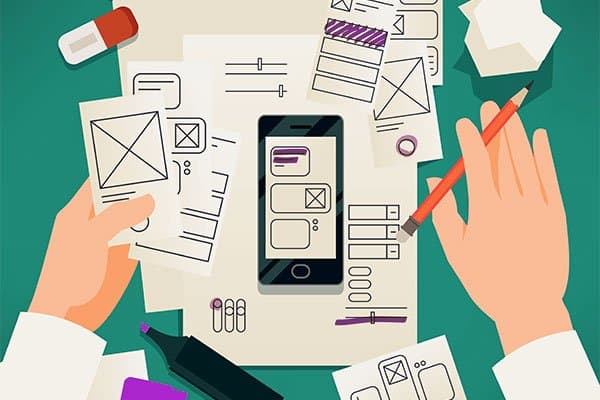
Lacking a clear understanding of the project target audience can prevent a design team from developing a product that fulfills the end user’s needs and expectations. Before starting a project, many questions come to mind including “What is the target market segment?”, “What are the user problems that we can address?” and “How we can […]